




Learn why used heavy-duty construction equipment is more efficient than expensive green technology. Learn how yellow steel can save you money, avoid depreciation and offer eco-friendly benefits via the circular economy.
Here is your revised text, updated to bring the Flesch Reading Ease score into the 60–70 range (Plain English / 6th–8th grade reading level) while incorporating an <h1> heading, smooth transitions, and varied sentence structures.
The heavy machinery industry stands at a crucial turning point. On one hand, traditional yellow steel remains the backbone of construction sites due to its proven durability and dependable power. On the other hand, green technologies promise zero emissions, but they come with huge upfront costs and complex electrical systems.
While modern machines look appealing, smart fleet managers know that new tech does not automatically mean higher profits. In fact, choosing quality used heavy machinery over unproven electric models is often the smarter, more economical move for modern companies.
The most immediate benefit of choosing traditional machinery over new tech is its impact on your wallet. As a result, buying a new electric or hybrid machine can cost double the price of a standard diesel unit. In contrast, acquiring reliable pre-owned equipment lets you get the same heavy-duty performance at a fraction of the cost.
Therefore, saving money on your initial purchase frees up capital for other business needs. You can use those extra funds to hire skilled operators, buy raw materials, or expand your services. Lower purchase prices also lead to cheaper insurance premiums and lower financing rates, keeping your daily operating costs low.
Every business owner knows that new assets lose value as soon as they leave the dealer lot. However, newly developed green technology loses value even faster because battery systems and software evolve rapidly. Consequently, older electric models become outdated in just a few short years.
By choosing used equipment, the previous owner absorbs that initial drop in value. Traditional yellow steel holds its market value remarkably well over time. Thus, if your project needs change and you decide to sell later, you can recover a large portion of your initial investment to protect your capital.
In construction, project delays mean lost profits. Ordering specialized electric equipment usually leads to long factory wait times due to battery shortages and production backlogs. Consequently, you cannot afford to wait months for machines when work needs to start immediately.
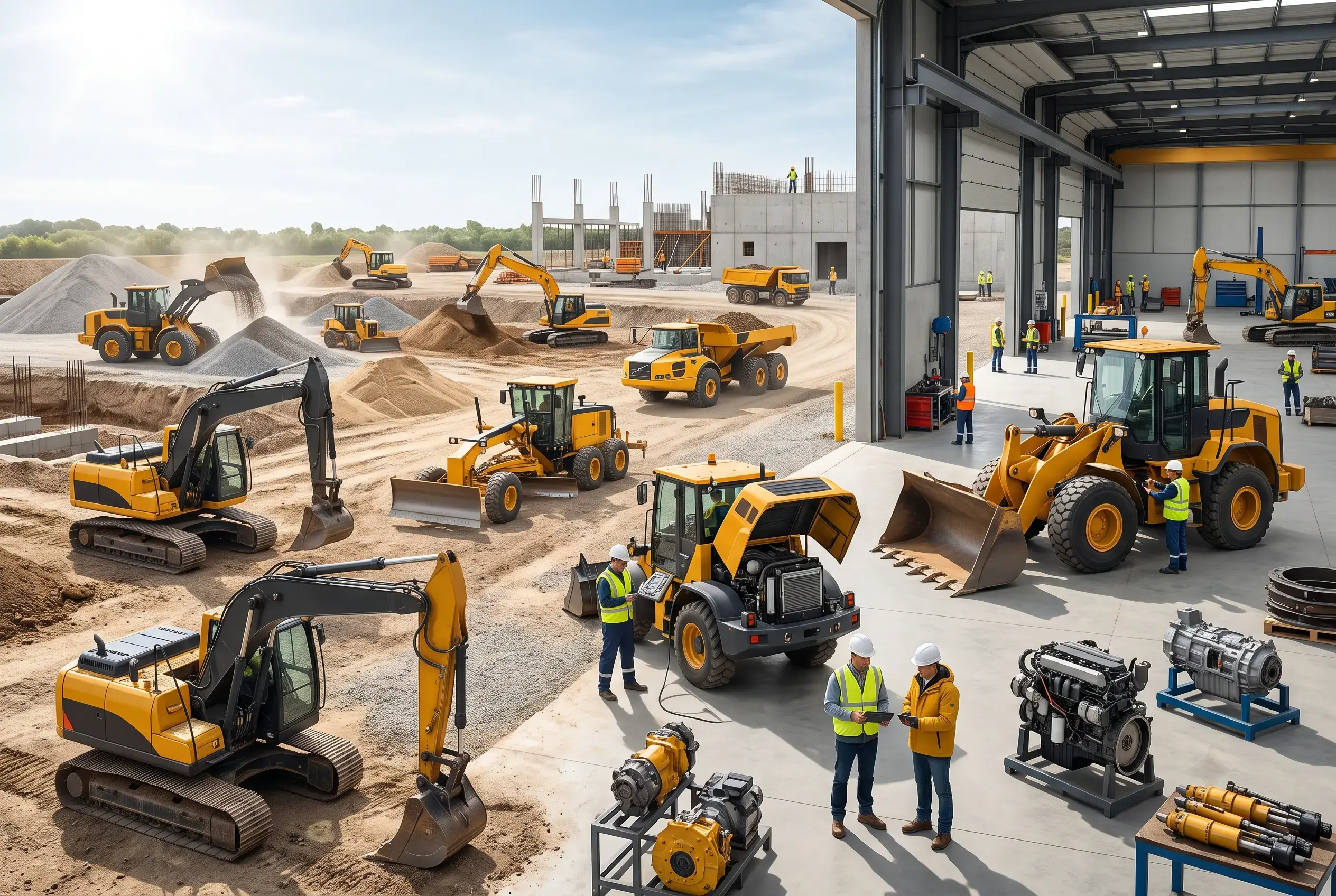
Fortunately, the used equipment market offers a massive inventory of excavators, dozers, and wheel loaders ready for quick inspection. You can buy and deploy these machines within a week, ensuring you hit every project deadline.
Conventional heavy equipment is built to handle tough job site conditions, from dusty demolition zones to freezing weather. Mechanics worldwide know how to repair standard diesel engines. In addition, replacement parts are cheap and easy to find everywhere.
In contrast, new eco-friendly machines depend on sensitive software, delicate sensors, and massive lithium batteries. When these complex systems break down, basic tools will not fix them. As a result, you must wait for specialized technicians, leading to costly project downtime. Used machinery offers the peace of mind that comes with simple, proven engineering.
Many people think green technology is the only way to protect the planet. However, this view ignores the heavy carbon footprint created when manufacturing new machines. For example, producing a single ton of new steel and building industrial batteries releases massive amounts of carbon dioxide.
Therefore, buying pre-owned machinery supports the environment through the circular economy. Extending the working life of an existing bulldozer or crane keeps steel out of landfills and reduces raw mining. Reusing functional equipment is often the greenest choice you can make.
While high-tech green machines look impressive on paper, they often fail to deliver the practical, cost-effective results businesses need today. Traditional used equipment strikes the perfect balance between low purchase costs, slow depreciation, fast delivery, and simple maintenance.
Investing in quality pre-owned yellow steel gives you a durable asset that protects your profit margins and keeps your jobs moving forward.
1. Is it hard to find replacement parts for used yellow steel machines?
No. Sourcing parts for standard diesel equipment is simple. Major manufacturers have produced these models for decades, creating a huge global supply of cheap OEM and aftermarket parts that keep downtime low.
2. How does the lifespan of used equipment compare to new green tech?
Traditional heavy machinery is built for long-term rebuilds. Consequently, you can replace engines and components to keep them running for decades. In contrast, new green tech relies on large batteries that degrade over time and cost a fortune to replace once warranties expire.
3. Can used diesel equipment meet modern site emission rules?
Yes. Many late-model used machines feature advanced Tier 4 diesel engines. Therefore, they meet strict environmental rules without the high costs and charging headaches of fully electric units.
4. Why does new green tech lose value faster than used steel?
Green tech updates quickly, much like smartphones. As a result, when a manufacturer releases a new model with better battery life, older electric machines lose their resale value overnight.
5. Can I inspect a used heavy machine before buying it?
Yes. You should always conduct fluid tests, review service logs, and hire a certified mechanic to inspect used equipment before making a purchase.


Leave a comment
Your email address will not be published. Required fields are marked *