





Learn how heavy equipment rentals are the catalysts for economic growth and modern infrastructure. This comprehensive guide shows how renting mega-machinery allows contractors to reduce capital expenditures, gain access to advanced fleets with integrated technology, and scale operations dynamically. Discover why a flexible framework for renting machines is the key to creating tomorrow's world.
Every major city, highway system, and deep-sea port starts as a grand design. Turning these plans into reality requires immense mechanical power. In the past, altering landscapes was a task for large corporations with the money to buy huge machinery fleets.
However, the construction industry has changed dramatically. Today, building public infrastructure relies on the flexibility and low cost of renting machinery. Consequently, instead of locking up cash in depreciating equipment, forward-thinking builders partner with rental firms to get the tools they need. Real strength lies not in owning machines, but in using them efficiently.
The biggest challenge facing any major construction project is the huge upfront cost of high-capacity machines like excavators and dump trucks. Buying a single heavy machine can cost hundreds of thousands of dollars. Therefore, committing large amounts of cash to machinery restricts cash flow, making it hard for smaller firms to handle unexpected expenses or take on new jobs.
By choosing to rent, contractors transform a rigid asset cost into a manageable operational expense. As a result, they allocate funds directly to active project phases without taking on long-term debt. Agile construction firms can compete with large corporations, adjusting their equipment needs based on project demand.
Adopting a flexible rental model protects funds and fuels national development. Large infrastructure projects, such as rail lines or smart cities, are complex and time-sensitive. In fact, each phase requires specific machinery to complete tasks safely.
A project might start with bulldozers to clear land, move to piling rigs for foundations, and finish with paving machines. Owning every machine leads to waste, as costly equipment sits unused for long periods. In contrast, a well-managed rental setup ensures the right tools arrive when needed and leave as soon as the job is done.
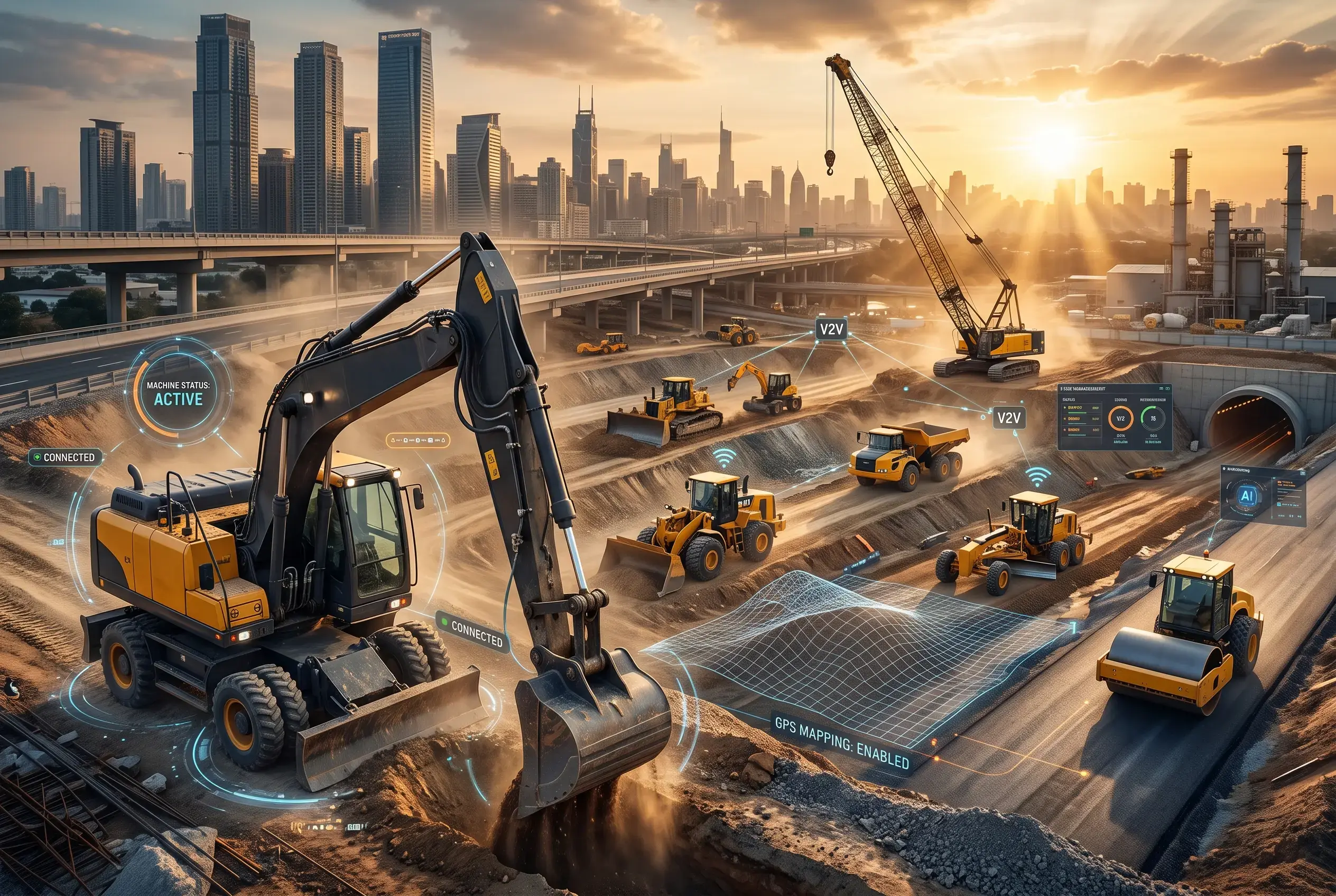
Rapid tech updates mean purchased machinery can become outdated quickly. Modern jobsites require smart telemetry, automated controls, and fuel-efficient engines to meet strict urban rules. However, keeping up with these upgrades demands constant investment.
Partnering with a top-tier rental firm gives contractors instant access to modern fleets equipped with the latest features. Furthermore, rental providers refresh their inventories continuously. Consequently, contractors benefit from predictive maintenance tools and fuel tracking without buying new machines.
Owning a machinery fleet brings ongoing operational burdens that quietly eat into profits. Beyond the purchase price, owners must hire mechanics, maintain service bays, and stock expensive spare parts. In addition, finding secure storage for idle equipment adds logistical headaches.
With a rental approach, all maintenance and compliance responsibilities fall on the rental provider. If a machine breaks down on site, the rental company sends a service crew to fix it fast. Therefore, project engineers can focus entirely on completing quality work on schedule.
The heavy equipment rental sector plays a crucial role in building world-class infrastructure. By swapping the high costs of ownership for an agile leasing model, contractors navigate unpredictable job demands with confidence. Renting preserves vital funds, provides instant access to advanced technology, and removes maintenance burdens. Ultimately, high-capacity rental fleets will remain essential as nations build smarter, more sustainable cities.
1. Why is renting heavy machinery more sustainable than buying?
Renting maximizes machine use across multiple projects, reducing total manufacturing demand. In addition, rental fleets feature newer models equipped with better emission controls and lower fuel burn.
2. Does a heavy equipment rental contract cover routine maintenance?
Yes. Comprehensive rental agreements include scheduled service, safety checks, and emergency repairs, freeing contractors from long-term maintenance costs.
3. Can you rent machinery with a certified operator?
Yes. Top rental firms offer both "dry hire" (machine only) and "wet hire" (machine with an experienced operator) to ensure site safety and efficiency.
4. How does renting help manage project risks?
Renting lets contractors calculate exact equipment costs before submitting bids. Consequently, it removes the risk of owning expensive machines that may sit idle after a project ends.
5. What should site managers consider when choosing short- or long-term rentals?
Managers should review project timelines, terrain needs, and work continuity. As a result, long-term rentals offer lower daily rates, making them ideal for multi-month infrastructure phases.


Leave a comment
Your email address will not be published. Required fields are marked *