





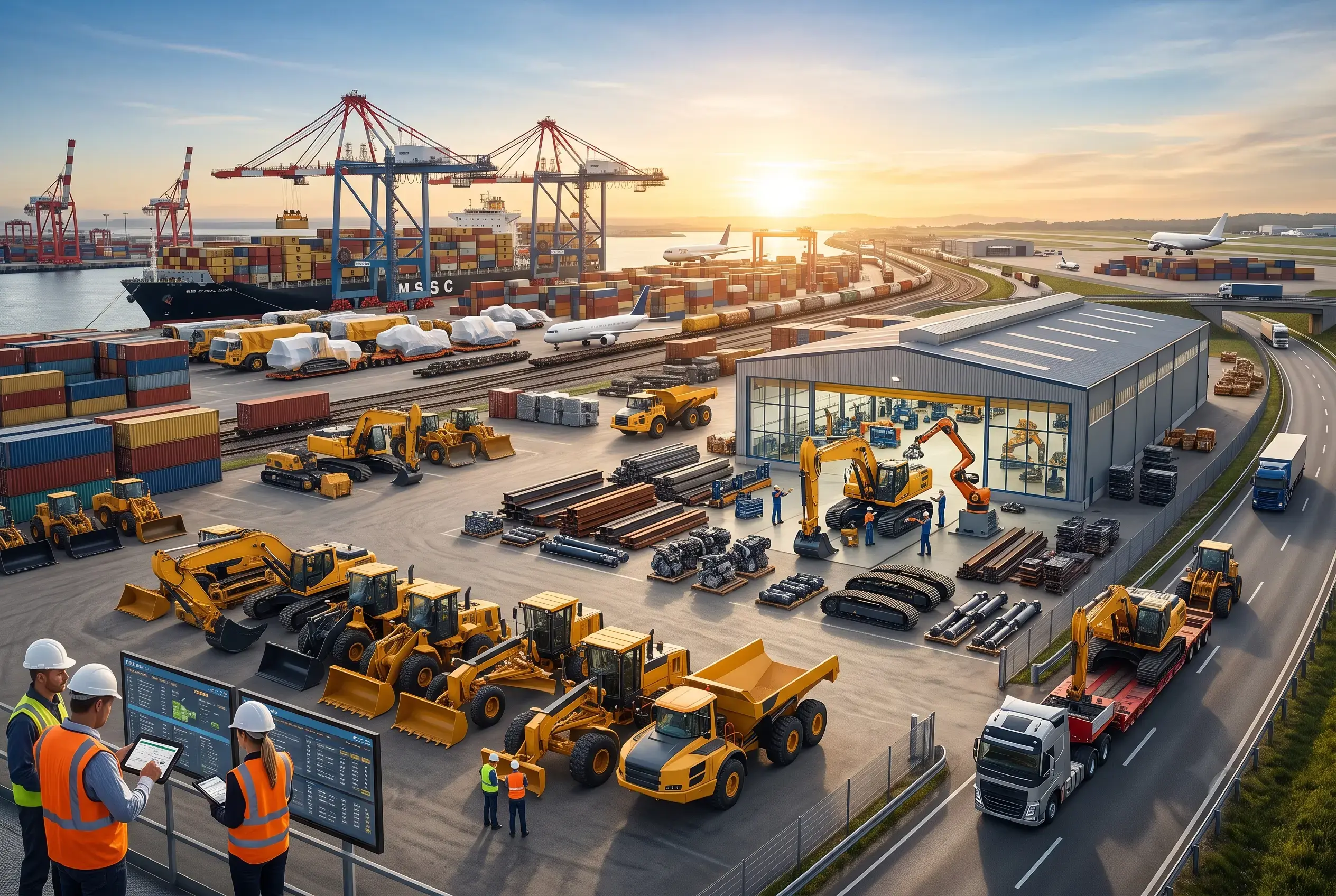
Global logistics is undergoing major structural changes that will directly affect how contractors secure their machinery. This comprehensive guide examines the current manufacturing bottlenecks and raw material restrictions, as well as regional assembly trends that define the market. Plan your fleet purchases to take advantage of extended waiting times and inventory shortages.
Permanent instabilities, not temporary disruptions, mark current distribution markets for heavy machinery. The traditional "just-in-time" delivery model is a thing of the past due to changes in trade routes and sudden congestion at ports. Original equipment manufacturers are constantly recalculating their production schedules due to shipping delays of massive industrial components. The time between ordering heavy equipment and receiving it on the job site has become extremely volatile.
Read Everything You Need to Know About Concrete Mixer Pump Trucks
The tightening of the supply chain for critical raw materials, microprocessors, and high-tech sensors is a major problem. These systems are dependent on multi-tiered supply chains that are under pressure. A single tier-three provider experiencing a delay or regulatory holdup can cause entire assembly lines of massive earthmovers to grind to a stop. This has a domino effect, which ultimately reduces the amount of new inventory that arrives at heavy equipment dealers.
Major machinery brands are quickly moving toward deglobalization to combat the unpredictable nature of international shipping routes. Deglobalization and reshoring are becoming increasingly popular among major machinery brands to combat unpredictable international shipping lanes.
This regional strategy may promise greater supply stability in the long term, but it is the 2026 transition period that causes short-term shortages. It takes time to set up new factories in the country, train a local workforce and qualify local suppliers. During the operational bridge phase, equipment output is reduced, leaving buyers with fewer immediate options to purchase brand-new models.
The global emissions standards and zero-emission mandates have fundamentally changed the types of machines available. Electric compact machinery and hydrogen-fuel cell technologies are gaining in popularity. Manufacturers are actively shifting their production lines and research and development towards these technologies.
The regulatory transition has created a unique bottleneck, where demand for diesel machines with high capacity is still high, but the factory supply is shrinking. Despite the high demand for zero-emissions heavy machinery, it is limited by the production limitations of batteries. The buyers are in a tight spot, as they wait for long lead times on both traditional power plants and new green technologies.
Fleet managers need to shift from reactive purchasing to proactive asset management, as factory lead times are still highly unpredictable. It is risky to rely solely on factory deliveries, as it can lead you to miss deadlines. Construction and mining companies that are forward-thinking focus on continuous supply chain management and immediate asset allocation.
Businesses are competing aggressively to find high-quality, used equipment with proven maintenance records. This is a strategy that has become a primary source of sourcing. Fleet owners also expand their relationships with rental networks across the country to fill in temporary inventory gaps. By securing rental options in advance, you can have the mechanical leverage needed if a purchase is delayed.
Due to the structural changes that are affecting the industrial supply chain, a new approach is needed for fleet acquisition. If you wait for a possible logistical normalization, your business will be left behind those who have adapted quickly. You can navigate the global shifts by embracing used markets, using flexible rental agreements and planning orders almost a year ahead.
Why is the lead time for new heavy equipment so long by 2026?
Due to localized manufacturing, shortages of microprocessors used in smart fleets and the ongoing disruption of shipping along major maritime trade routes, lead times have been extended.
What is the impact of the switch to electric machinery on the availability and price of diesel equipment?
The total production of diesel machines is declining as manufacturers reallocate assembly lines for electric and zero-emission models. This causes a shortage in high-capacity equipment.
What is reshoring for heavy machinery?
Reshoring is the process of moving manufacturing plants and component assembly back to domestic regions, where machines are sold. The goal is to reduce reliance on international shipping routes.
Is it better to buy used high-quality machinery than wait for a factory order?
If you need a machine for an immediate project, buying a used one with a documented service history will eliminate the risk of unexpected delays in manufacturing and allow faster asset deployment.
What can small contractors do to protect themselves against delays in machinery deliveries?
To avoid unexpected delays, small contractors should plan at least two cycles, establish strong relationships with regional rental fleets and obtain flexible equipment leasing terms.


Leave a comment
Your email address will not be published. Required fields are marked *