




Learn how to maximize the lifespan of your machine and reduce costly downtime with routine after-sales services.
Imagine investing hundreds of thousands of dollars in a high-performance excavator or wheel loader, only to see its productivity drop due to a lack of maintenance. The first step in the world of heavymachinery is to purchase the equipment. After the paperwork has been signed, the real magic begins. It is important to provide reliable post-purchase service. This is more than just a safety measure. Read History Time: Why Do We Call Hydraulic Excavators a Poclain?
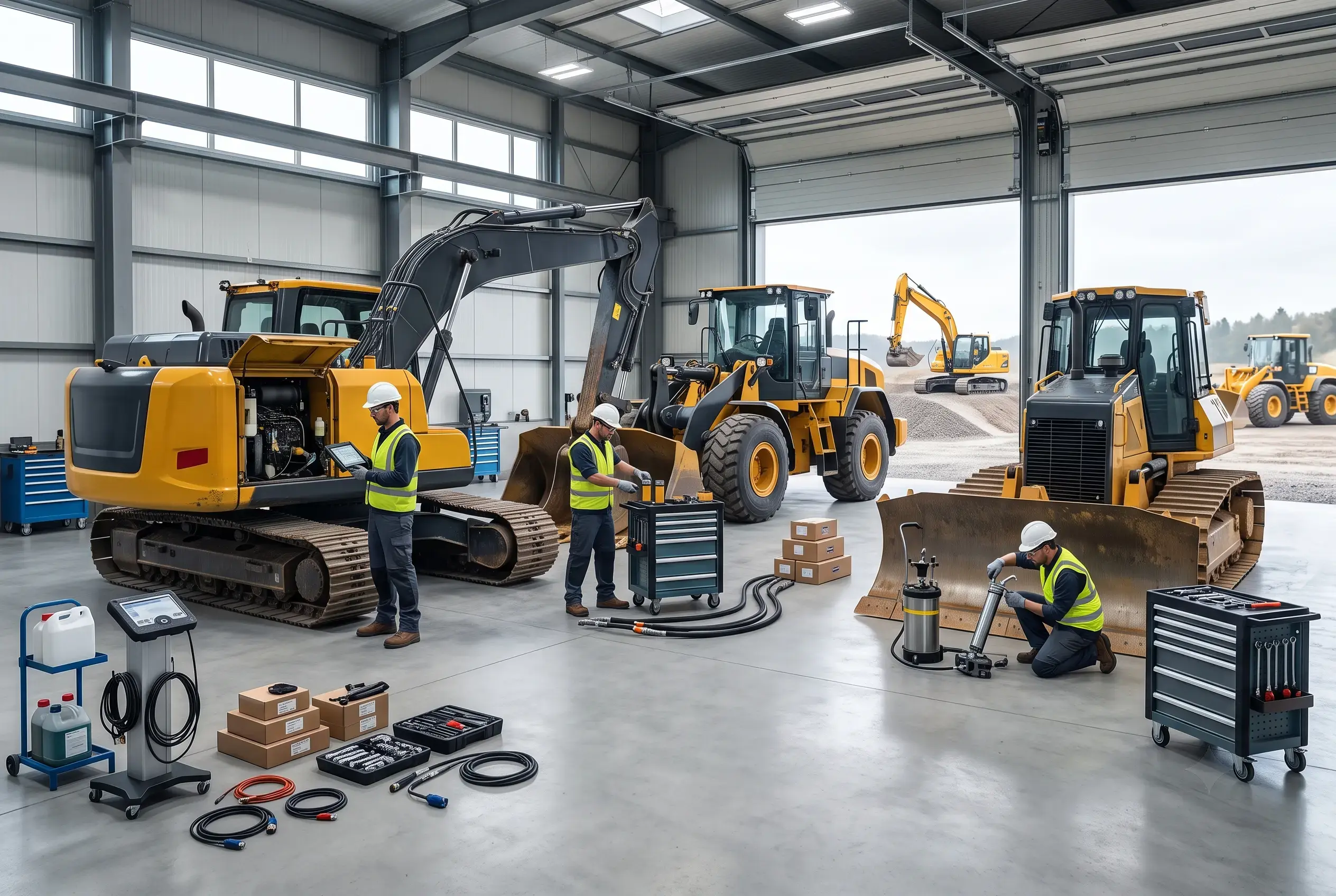
You are investing in power and efficiency when you buy heavy equipment. The extreme environments found on construction sites and in mining operations can quickly wear down mechanical components. After-purchase support is provided by factory-trained technicians who use specialized diagnostic tools to maintain your machines. This level of expertise ensures that your machines are operating according to their original factory specifications. This protects your warranty and maintains the machine's resale price.
A strict service schedule is the best way to ensure a long-lasting machine. This includes routine oil analyses, hydraulic fluid tests, and component calibrating before parts fail. Consider it a regular medical checkup for the bulldozer. Fleet managers can track wear indicators over time and replace a belt or seal during planned downtime. This will prevent a snapped engine or broken line from occurring in the middle of a project.
It's tempting to save money by using generic, cheap parts, but this can lead to disasters in the long run. OEM (Original Equipment Manufacturer) parts are designed specifically for your model. These parts are designed to handle the stress, heat and pressure that your machine faces every day. Using genuine parts in your service cycle ensures compatibility, prevents premature wearing of surrounding components and maintains structural integrity.
Knowledge transfer is part of excellent support. As part of their service, top-tier machinery suppliers offer technician and operator training. When your local operators understand how to handle the machinery correctly and spot early warning signs--like unusual vibrations or rising temperature gauges--they can prevent minor issues from escalating into multi-thousand-dollar overhauls.
It is impossible to unlock the longevity of heavymachinery without a commitment to dedicated after-sales services. This transforms a transactional purchase into an ongoing partnership focused on success in the field. Prioritizing factory support and genuine parts will ensure that your fleet is a revenue-generating machine for many years.
This includes scheduled preventative maintenance and emergency repairs in the field, OEM genuine parts, technical support for diagnostics, and specialized training.
It depends on the manufacturer's guidelines, but a good rule of thumb would be to perform minor inspections after 250 hours of operation and major fluid and systems overhauls between 500 and 1,000 hours.
Most manufacturers require documentation of regular maintenance performed using approved parts by certified technicians to maintain the factory warranty.
Aftermarket parts can be made from lower-grade materials and may wear faster. OEM parts are designed to fit your machine perfectly.
Used equipment with a clean, complete service history that proves the machine has been maintained consistently by professionals is worth a premium.


Leave a comment
Your email address will not be published. Required fields are marked *