





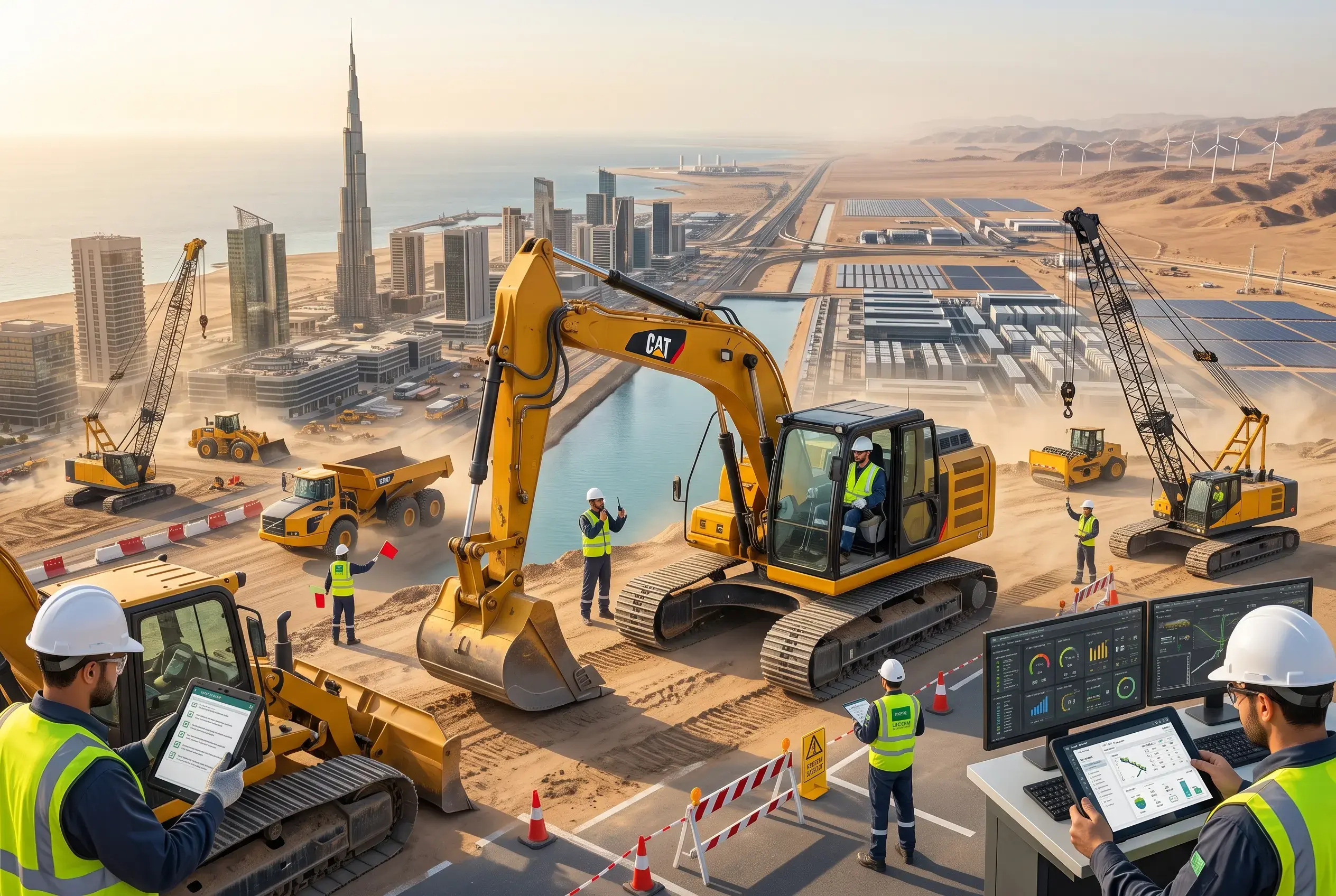
Minimize risks and maximize productivity on construction sites. Learn the 8 rules that will optimize heavy machinery safety and operator output.
A high-performance construction or mining site is a delicate balance of hitting daily production goals and keeping your staff safe. Safety protocols are often broken when operators try to push heavy equipment beyond its natural limits in order to speed up the work. This can lead to expensive accidents and damaged equipment.
Check : After-Sales Service: Unlocking Heavy Machinery Longevity
On the other hand, too rigid and slow routines can delay project deadlines, causing your profits to be drained. Fleet managers can protect their employees while unlocking the peak performance of equipment by implementing a structured framework.
Operators cannot be efficient if they don't fully understand the quirks and controls of the machine that they are driving. You must ensure that every new model of excavator or wheel loader in your fleet receives mandatory, model-specific training. This rule ensures that operators are able to operate complex onboard systems and adjust hydraulic flow mode for different attachments. Continuous training prevents errors in operation, reduces stress on equipment, and creates a confident workforce.
Visual walkarounds are the primary cause of unexpected breakdowns on job sites and sudden structural failures. Operators must complete a pre-operation checklist that includes detailed instructions. Checking engine oil levels and inspecting hydraulic hoses to check for hidden cracks is part of the pre-operation checklist.
Also, track bolts should be tightened, and all safety lights must work properly. Catching a tiny fluid leak or a frayed belt in the morning prevents a massive, multi-thousand-dollar mechanical breakdown during the middle of a critical shift.
Large counterweights and attachments often restrict the visibility of heavy equipment operators. You must create clear visual boundaries between the operating machinery and foot traffic to maintain strict safety on the job site. Operators must constantly check their blind spots and make eye contact with crew members on the ground. They should also use high-visibility cameras, radar detection systems, or other devices installed in the machine. The risk of an accident on the ground is eliminated if unauthorized personnel are kept out of the machine's swing radius.
It is dangerous to overload the bucket of a machine or the boom of a crane in order to move material faster. This gamble always fails. Overloading a machine's payload can strain hydraulic pumps, accelerate structural fatigue and cause it to roll on uneven slopes. Modern onboard weighing systems can provide operators with real-time feedback about their load weights. By staying within structural safety limits, you protect the chassis and lower fuel consumption. You also keep the equipment balanced in rough terrain.
The use of jerky movements, excessive speeds and aggressive movements will not speed up a project. They can only damage the machine and exhaust the driver. When digging, lifting or swinging, operators should use fluid, smooth lever inputs.
By maintaining a controlled, steady rhythm, you can reduce the shock load on pins and bushings. You will also prevent track slippage and material spillage. Controlled speeds help to maintain a predictable work environment and protect the surrounding infrastructure.
It takes a lot of mental focus to operate heavy machines for long periods. Operators who work long hours without taking a break will find that their reaction time slows down and their spatial judgement begins to fail. Regular, mandatory breaks keep your operators focused and alert so they can make smart safety decisions. Well-rested operators are more productive, can spot hazards on the job site much faster and are less likely to be involved in a collision because of exhaustion.
Smart sensors are now standard on modern heavymachinery, which can track how the asset is handled. Fleet managers need to actively review the telematics data in order to identify high-risk behaviors such as harsh braking, excessive engine idle, and riding the clutch. Using these digital insights, you can give tailored feedback to drivers. Correcting bad operating habits will protect the health of your machines and reduce your monthly fuel costs. It will also reinforce your company's safety culture.
Communication that is clear and uninterrupted is essential to a job site's smooth operation. To coordinate difficult movements, operators and spotters need to use a system of hand signs or two-way radio channels. Operators must communicate their intentions and wait for confirmation before moving into a blind zone or reversing near trenches. By eliminating guesswork, you can avoid dangerous miscommunications.
Implementing these eight rules successfully to optimize operator output while maintaining safety standards will transform your daily operations into an efficient system that generates high revenue. Safety and productivity do not compete; they are mutually supportive. You can extend the life of your equipment by investing in driver training, daily inspections and fluid operating habits.
Telematics systems monitor real-time data from machines, which allows fleet managers to detect dangerous driving habits such as speeding, overloading or abusive operation. This helps them train drivers and avoid breakdowns.
Smooth and steady control inputs reduce sudden shock loads to hydraulic systems and steel structures, which saves fuel and keeps the operator fully in control.
Checking all fluid levels and inspecting for leaks in hydraulic lines, checking tire or track conditions, testing brakes and verifying that all safety and backup alarms are working should be included on a standard checklist.
The effects of exhaustion on an operator include a slower reaction time, reduced spatial awareness and impaired judgment. This makes them more likely to overlook site hazards or cause serious accidents.
Ground spotters are the extra pair of eyes for operators, guiding machines through blind spots, narrow passages and crowded work areas using radios or hand signals.


Leave a comment
Your email address will not be published. Required fields are marked *