





Compare reactive vs. preventive machinery repairs for your fleet of heavy equipment. Find out which maintenance strategy reduces costs, decreases downtime and increases equipment life.
Fleet managers face a crucial decision that will determine their long-term success. Should they wait until a machine breaks down to fix it, or should they spend money and time servicing it when it is still running perfectly? This decision can be the difference between a high profit margin that is high and a low profit margin in the world of heavy mining and construction. Read
How to Verify the Authenticity of Heavy Machinery Spare Parts Before You Buy
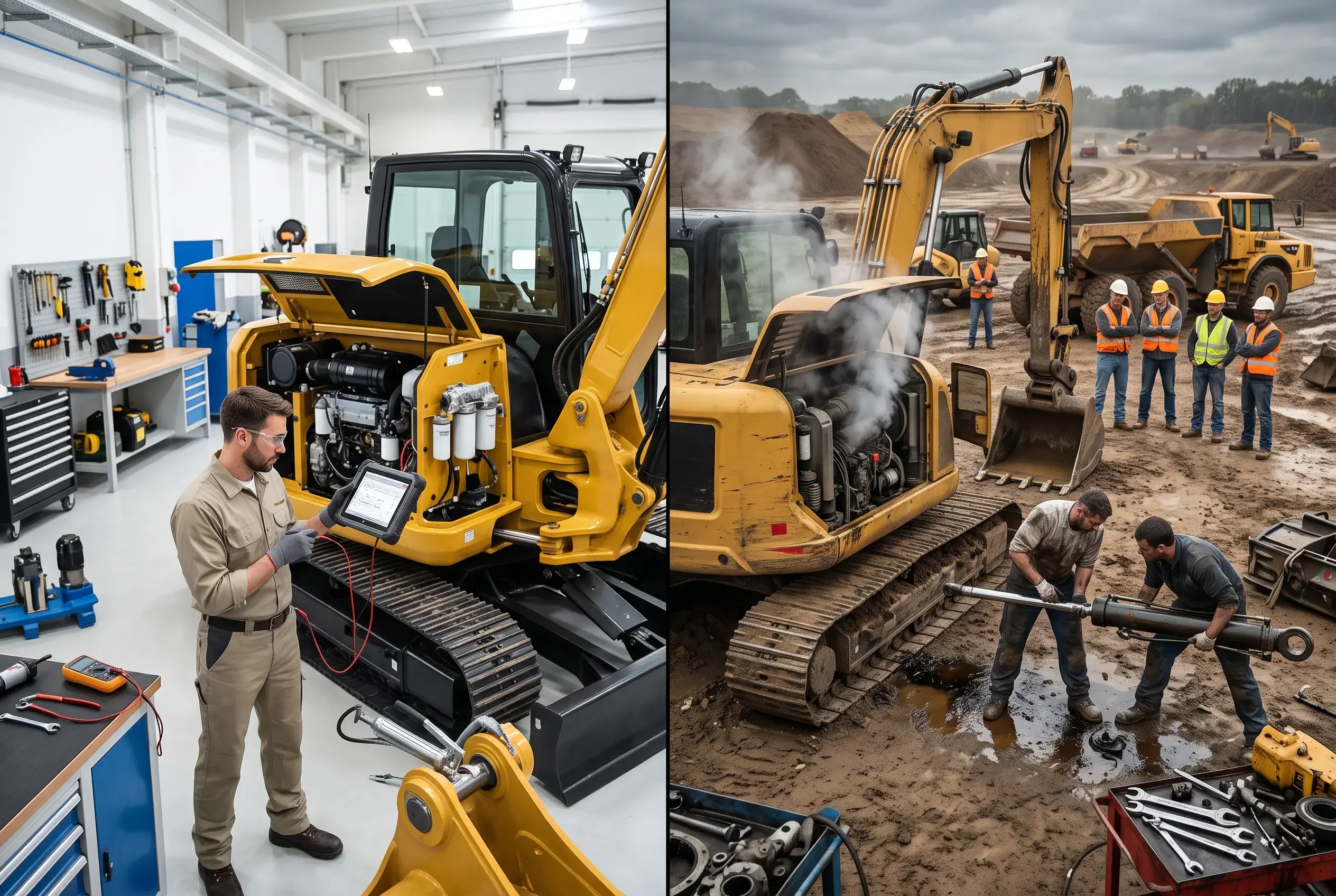
Understanding the vast differences between proactive maintenance and emergency repairs is key to preventing unexpected delays in operations, avoiding astronomical costs, and keeping heavy equipment running at its peak performance.
You must understand the daily operation of each method before you can make an informed decision for your fleet. Preventive maintenance is a highly structured plan that includes scheduled checks, fluid changes and component replacements according to operating hours or calendar dates. Reactive maintenance, also known as "run-to failure" management, is when the machine gets no technical attention until it breaks, leaks or shuts down. The reactive approach does not require any planning in advance, but it makes your team operate in an ongoing state of panic.
If you take a look at the numbers, it is much more cost-effective to manage your heavy machinery in a proactive manner than to wait for a mechanical catastrophe. Emergency repairs can be very expensive because they involve expedited shipping costs for rare parts, high rates of after-hours labor, and hidden costs associated with idle project teams. Preventive maintenance allows you to detect minor wear patterns earlier. For example, replacing a cheap seal at lunch instead of paying for an entire hydraulic pump overhaul when it explodes and runs out.
Unexpected breakdowns can have a devastating impact on corporate reputation and construction schedules. Reactive repair strategies put you at the mercy of parts availability and mechanic schedules. A simple fix can turn into weeks or days of no productivity. However, preventive maintenance gives you full control of your calendar. Schedule major component overhauls for planned project gaps, slow seasons, or evening shifts to keep your machinery fully operational during the most important revenue-generating daylight hours.
Heavy machinery is a major investment. How you maintain it will determine its ultimate resale price. A preventive maintenance program ensures that equipment wears uniformly, operates at factory efficiency, and has a documented, clean service history, which is what premium buyers look for. A reactive repair program puts structural frames and engines under extreme mechanical stress. This cycle of abuse accelerates depreciation and reduces asset life. It also leaves you with an unreliable fleet.
Comparing preventive and reactive machinery repairs, it is obvious that preventive maintenance is the better option for long-term fleet health. It also ensures high profitability. Reactive fixes are necessary for unforeseeable site incidents, but relying solely on them can ruin project timelines and drain your bank account. Early investment in regular technical checks transforms maintenance into an advantage that can be used to your business's competitive advantage.
It is important to take preventive measures in order to avoid major problems. This will reduce your overall repair costs and keep site workers safe.
Preventive maintenance includes changing the engine oil and hydraulic fluids after 250 hours of operation, lubricating joints with grease daily and monitoring track tension.
Only non-critical and low-cost parts are acceptable, as long as they can be replaced instantly on site.
To keep your warranty valid, most heavy machinery manufacturers demand strict documentation of certified regular maintenance. A reactive approach could void your coverage.
Modern telematics track engine data in real time, fluid temperatures and error codes. This allows fleet managers to schedule maintenance long before an actual breakdown occurs.


Leave a comment
Your email address will not be published. Required fields are marked *