





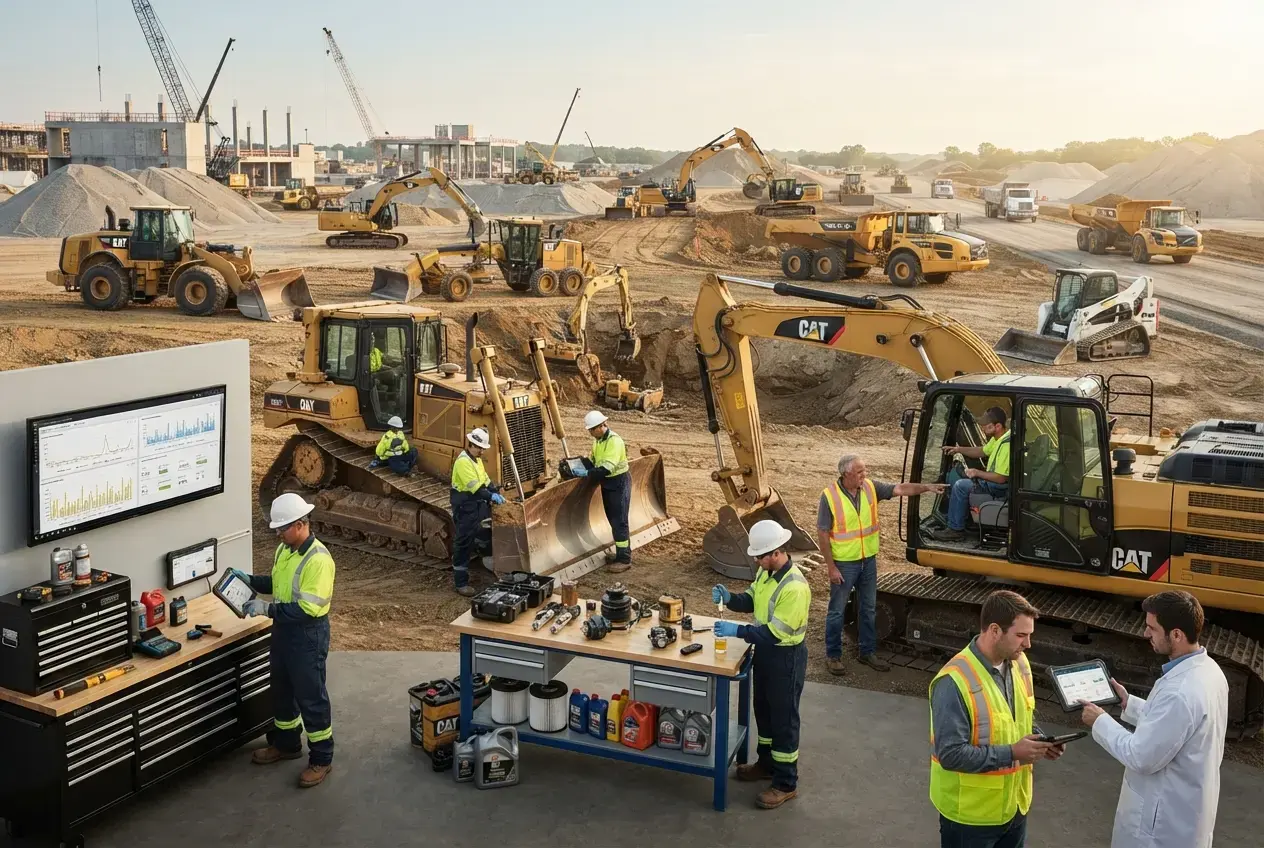
Uncover the best methods for operating and maintaining your used machinery fleet to maximize its potential. This guide outlines how adhering to strict fluid testing schedules, equipping operators with knowledge about specific machine functions, and leveraging data-driven telematics can rejuvenate older equipment.
Buying pre-owned heavy machinery is a smart, budget-friendly way for growing businesses to expand their fleets. However, used excavators, wheel loaders, and cranes come with unique wear patterns and mechanical histories.
Operating an older machine like a brand-new model often leads to early part failures and costly delays. Fortunately, using a simple, data-driven maintenance plan reveals hidden efficiency, protects your investment, and keeps your used fleet working reliably.
To get peak performance from used equipment, move away from reactive repairs and establish a disciplined service routine. Older machine parts operate closer to their limits, meaning small issues like loose belts can quickly escalate into major breakdowns.
Maintenance teams should build flexible daily, weekly, and monthly checklists based on engine hours. In addition, prioritizing oil changes, filter swaps, and routine lubrication protects high-friction zones and keeps the entire machine running smoothly.
Testing key lubricants is one of the easiest ways to protect a used fleet. In fact, regularly sending samples of engine oil, hydraulic fluid, and coolant to a lab gives you a clear picture of internal wear without taking the machine apart.
Lab results track microscopic metal bits and dirt inside the system. Consequently, spotting an abnormal rise in metal particles early lets you swap out failing parts before a catastrophic engine or pump failure occurs.
Even the best maintenance plan fails if operators handle older machines roughly. Therefore, teach drivers to allow proper engine warm-up times—especially in cold weather—so hydraulic oil and lubricants reach ideal operating temperatures before heavy lifting begins.
Encourage smooth driving habits. Operators should avoid sudden turns on rough ground, harsh direction shifts, and unnecessary high RPM idling. Furthermore, training drivers to listen for strange noises or slow hydraulic responses helps catch minor issues before they turn into expensive repairs.
Many fleet managers assume digital tracking tools are only for new machines. However, retrofitting older equipment with affordable aftermarket sensors provides valuable live data that transforms maintenance practices.
These digital tools track fuel use, engine idle time, and battery health in real time. As a result, analyzing this data helps cut wasted idle time, optimize job site routes, and schedule service right when it is needed.
Maximizing the performance of used heavy machinery requires proactive daily decisions. Combining routine checks with fluid testing, operator training, and telematics extends the lifespan of older assets significantly. While pre-owned units demand extra care, the resulting increase in uptime yields a strong return on investment while keeping operating costs low.
1. How often should you test fluids on used heavy equipment?
For used machines in normal work conditions, collect oil samples every 250 engine hours. In addition, test hydraulic and transmission fluids every 500 hours.
2. Will aftermarket telematics damage older electrical wiring?
No. Modern telematics systems use non-invasive sensors and simple plug-in setups that do not interfere with original wiring.
3. What causes sudden hydraulic failures in used excavators?
Fluid contamination from dirt, water, or metal debris causes most hydraulic failures by damaging pump seals and clogging internal valves.
4. Why are warm-up periods critical for older equipment?
Older engines need a few minutes at low idle for thick oil to warm up and flow freely, protecting tight metal parts before heavy loads are applied.
5. Is it cost-effective to rebuild an engine on a used wheel loader?
Yes. If the frame and hydraulic lines are solid, a certified engine rebuild costs far less than buying a new loader and adds years of reliable service life.


Leave a comment
Your email address will not be published. Required fields are marked *