



It is important to choose the right aerial work platform for your project in order to ensure safety, efficiency and smooth execution. This comprehensive guide will help you to assess the horizontal and vertical reach required, compare equipment types and analyze jobsite conditions.
The ideal mobile elevating platform must strike a balance between structural capabilities and jobsite logistics. The wrong machinery can cause project delays, rental costs to rise, and safety issues for your crew. You can maximize your productivity and maintain strict safety standards by evaluating the environment in advance.
It is important to determine the physical limits of the workspace before selecting the right equipment. This includes the platform height (the height at which the operator stands) and the working height, usually two meters higher, to allow for the worker's reach.
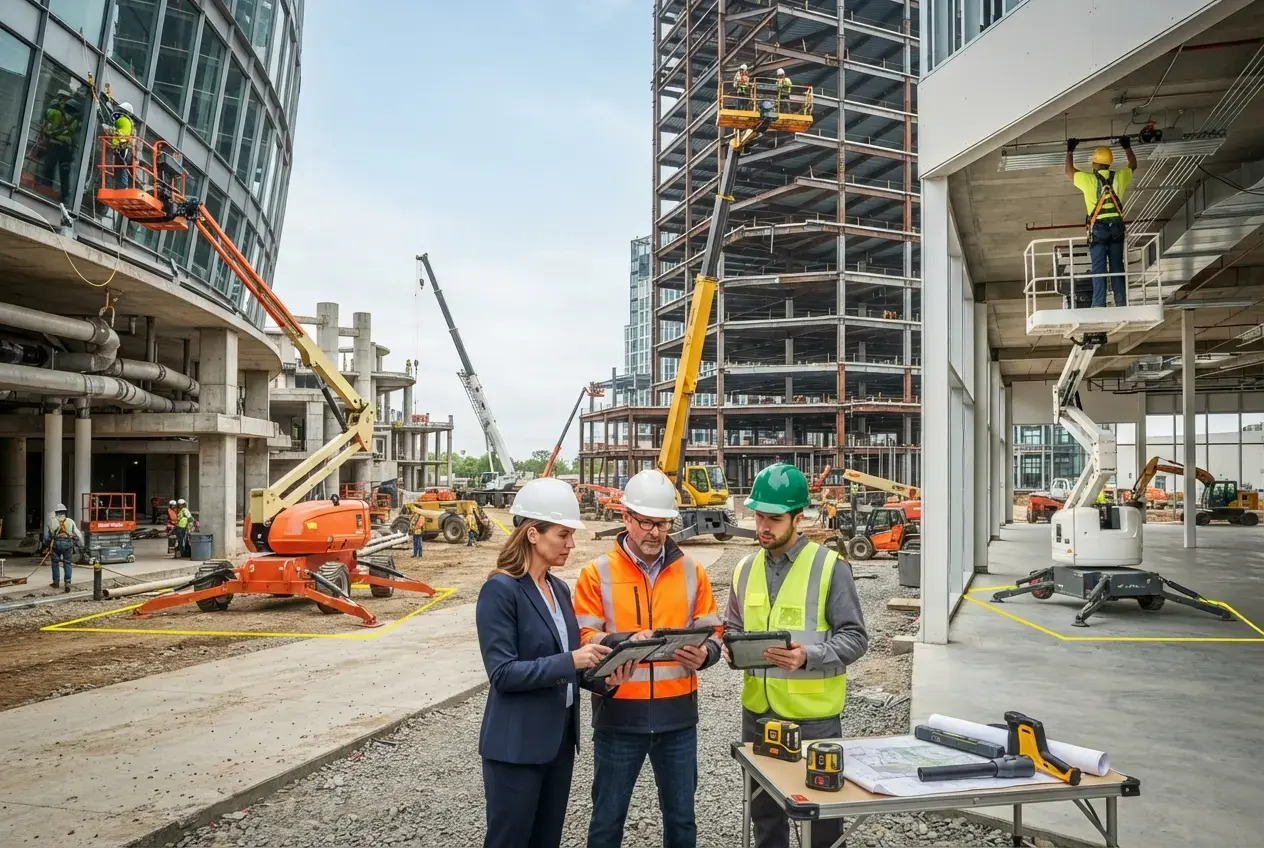
Telescopic models have a single straight arm that provides unmatched horizontal reach and ultimate vertical height, making them ideal for wide-open construction spaces or high-access bridge or building projects. Telescopic models have a single straight-arm design that provides unmatched vertical height as well as horizontal reach. They are ideal for large construction areas and projects that require high access.
Indoor operations require a compact footprint with tight turning radii and non-marking tires to preserve delicate flooring systems. Indoor operations require a small footprint, non-marking rubber tires, and tight turning circles to protect delicate flooring systems.
It is important to ensure that the equipment you choose is compliant with the local regulations and that it can be used on the jobsite. Diesel engines are a great option for outdoor work that requires continuous hydraulic power. Always calculate the total platform payload to ensure that the combined weights of workers, materials, and hand tools do not exceed the maximum load limit.
The process of selecting the right aerial machinery requires careful planning, accurate spatial analysis and a thorough understanding of your site. You can ensure that your crew is operating safely and efficiently by balancing the vertical heights and horizontal boundaries with terrain conditions and payload capacity. By investing time in analyzing these factors, you can protect your project timeline while keeping operational overheads manageable.
The telescopic boom uses a straight arm that can be extended to reach the maximum height in open spaces. Articulating Booms have multiple sections with joints, which allow them to maneuver around and over obstacles.
For the total height of your working platform, measure the exact height at which your operator's hands will be performing the task. This is usually two meters above the platform floor.
For all interior work, electric or hybrid lifts should be used. Diesel engines produce heavy exhaust fumes that are unsafe for enclosed environments.
Overloading can lead to serious safety risks, such as mechanical failure and vehicle tipping over.
Most heavy industrial lifts do not have trailer hitches built in. They are usually self-propelled.


Leave a comment
Your email address will not be published. Required fields are marked *