





Looking to enhance your project's efficiency? Learn about the essential skills and daily routines of our award-winning heavy equipment operators.
In the demanding realm of construction and earthmoving, state-of-the-art machinery represents just part of the picture. The real expertise lies with the elite operators who handle that machinery. Skilled operators can transport more material efficiently, using less fuel, while ensuring job site safety. By examining the everyday practices, precision methods, and mindsets of our award-winning operators, we can identify the essential skills that elevate a typical machine handler into a valuable industry contributor.
Achieving excellence in operating machinery involves much more than merely controlling joysticks and pedals. Our leading operators perceive their machines as integral parts of themselves, harmonizing powerful hydraulics with finesse. Their success in reaching production targets stems from meticulously planning their excavation, lifting, and transporting routes ahead of time. This fusion of technical insight and strategic foresight distinguishes skilled operators from newcomers.
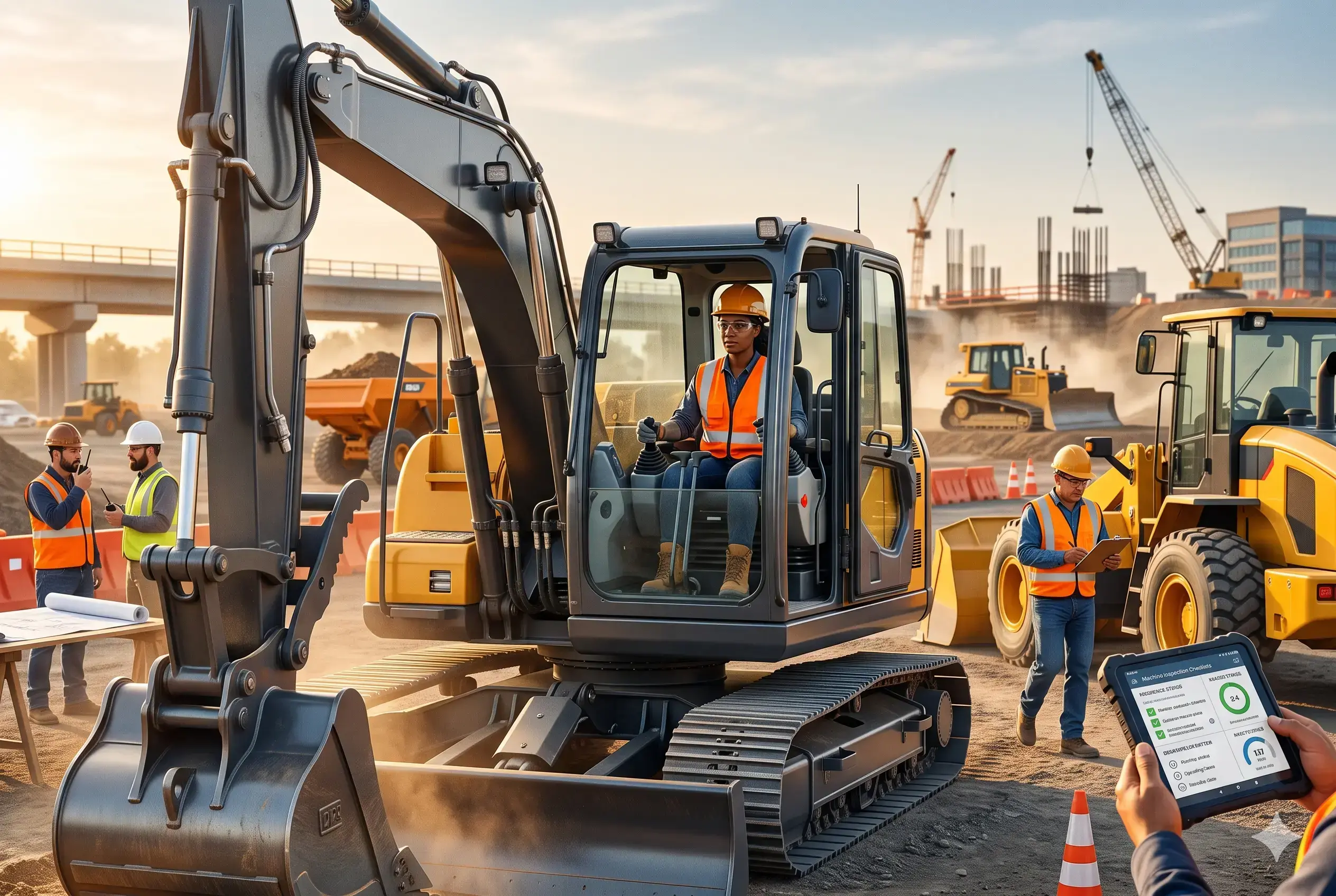
Our top operators recognize that a productive work shift is set in motion long before turning on the equipment. They consider the daily inspection routine an essential practice, diligently assessing hydraulic fluid levels, tracking tension, and lubrication points. Spending just fifteen minutes searching for leaks or minor cracks prevents small issues from evolving into major setbacks later in the day. This proactive approach significantly decreases unexpected downtime and can save thousands in urgent repairs.
Check Manlift Buying Guide for 2026: When Contractors Should Stop Renting MEWPs
Maneuvering a heavy excavator or an articulating wheel loader in a busy site demands impeccable spatial awareness. Our elite operators consistently scan their surroundings for overhead utilities, varying ground conditions, and nearby crews. Instead of making abrupt and harsh control movements that could stress the machinery, they employ fluid and gentle motions, allowing them to work more efficiently and reduce the risk of tipping.
Contemporary heavy machinery acts as a sophisticated computer, continuously collecting performance data through advanced telematics. Our award-winning operators pay close attention to these analytics to track their fuel consumption and engine loads. They strive to minimize unnecessary engine idling and over-cycling of hydraulic functions. This informed approach not only prolongs engine life but also keeps fuel expenses to a minimum.
Even our most experienced operators acknowledge that learning is a never-ending process. They actively engage in safety briefings and share practical knowledge with newer team members. True experts prioritize effective communication, using two-way radios and standardized hand signals for seamless coordination with spotters. They recognize that productivity and safety go hand in hand, refusing to compromise safety standards for speed.
A fleet of new heavy machinery is only as effective as the skill of those operating it. The exemplary practices of our award-winning team demonstrate that becoming a proficient operator hinges on patience, thorough inspections, and familiarity with technology. By emphasizing smooth control, valuing telematics data, and upholding a strong safety-first attitude, these professionals set the benchmark for the industry. Invest in enhancing your team's operator training today and witness significant improvements in project efficiency.
What key skills should a heavy equipment operator possess?
Essential skills include exceptional spatial awareness, thorough pre-shift inspections, smooth control of hydraulics, and proficiency in telematics data.
In what ways do skilled operators lower maintenance costs?
Expert operators evade harsh driving that stresses components, catch mechanical issues early during inspections, and reduce engine idling, thus extending the machinery's lifespan.
Why is understanding telematics vital for today’s operators?
Modern equipment features intricate digital systems. Operators must grasp how to navigate telematics to effectively monitor fuel use, active load weights, and respond promptly to diagnostic alerts.
Can simulators enhance real-world operator skills?
Definitely! Advanced equipment simulators provide a safe environment for operators to practice complex maneuvers and emergencies before operating actual machines.
What strategies can help new operators develop spatial awareness?
New operators should collaborate closely with experienced spotters, make use of all available mirrors and cameras, and practice cautious, intentional movements to understand blind spots better and swing radii.


Leave a comment
Your email address will not be published. Required fields are marked *