




Learn how to select high-quality parts that will maximize the life of your industrial fleet. This guide explains the mechanical and financial differences between OEM components, aftermarket parts and remanufactured replacements.
Industrial machinery is a large capital investment, and requires a detailed operational plan to maximize the return on investment. The choice of replacement components determines how long a machine will last when critical fleet components degrade due to friction, chemical exposure or thermal stress. When you install low-grade components, those that are poorly machined or incompatible, it creates structural weaknesses which accelerate machine degradation. Precision-engineered components can reduce your maintenance costs, improve site safety and protect industrial operations against catastrophic failures.Top 9 Forklift Attachments That Maximize Productivity
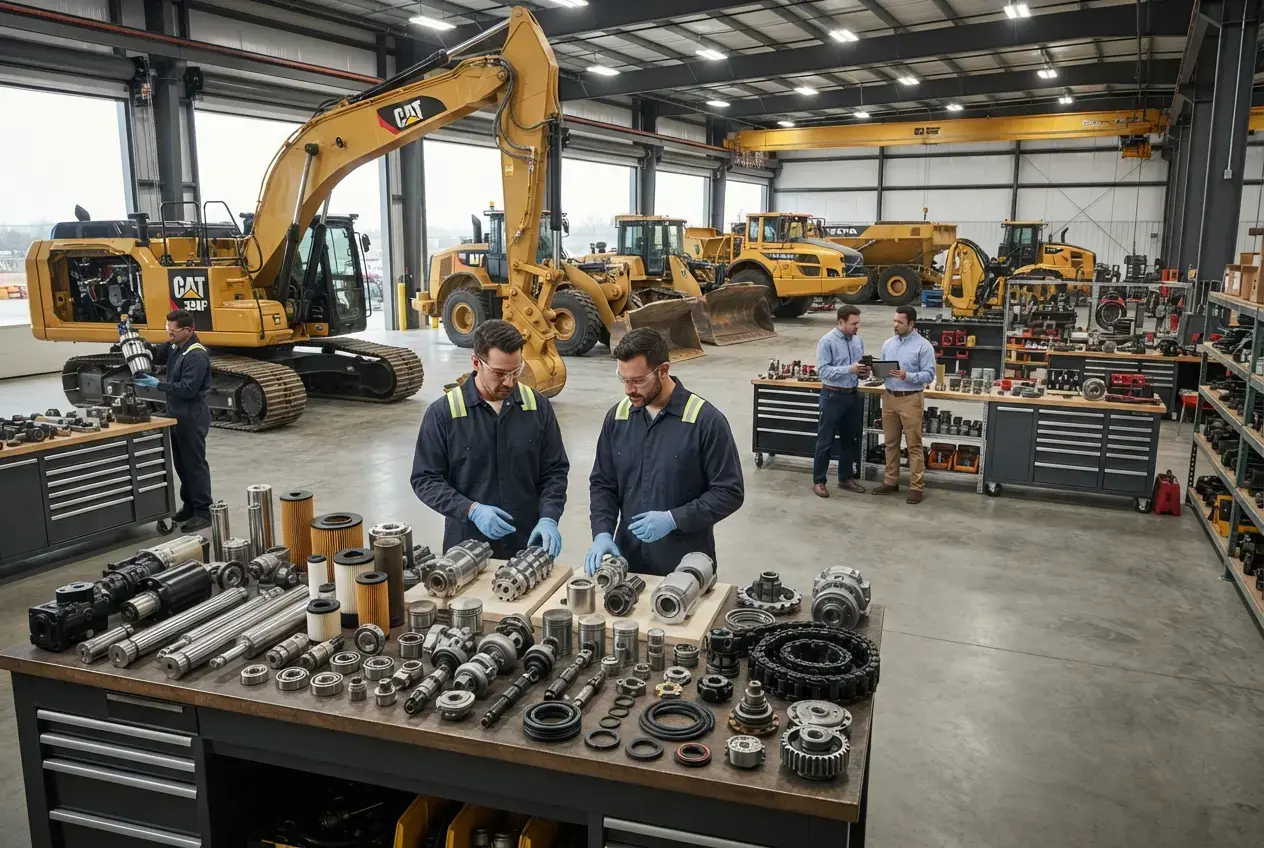
Each industrial machine is designed as a system that operates with exact tolerances for every bearing, seal and gear. A replacement part that is even slightly out of specification can cause unwanted vibrations and alter thermal patterns in adjacent parts. A slightly misaligned plunger in a pump or a rolling element bearing that is not the correct size can cause secondary damage.
Original Equipment Manufacturer (OEM) parts are built by the original machine developer, guaranteeing an exact physical fit, optimal material integrity, and active factory warranty coverage. OEM parts are manufactured by the original machine manufacturer, ensuring a perfect fit, optimal material integrity and factory warranty coverage.
Industrial seals and gaskets often fail early because operators choose rubber compounds that are incompatible with harsh process fluids or high operating temperatures. Rubber compounds used in industrial seals and gaskets are often not compatible with harsh fluids and high temperatures. This leads to early failures.
Modern fleet operators can maximize the lifespan of their machinery by moving away from old-fashioned methods such as run-to-failure and adopting data-driven, predictive maintenance. Maintenance managers can track important metrics such as Mean Time Between Faults by integrating telematics with digital work orders and vibration monitoring software. The deep operational insight gained by this software allows procurement teams the ability to time the order of high-priority parts precisely before a physical break occurs.
By prioritizing exact physical fits, selecting advanced wear-resistant coatings, and matching components to your specific operating environment, you shield your primary machinery from premature wear. You can extend the life of your heavy equipment by making informed, structured choices during every part replacement cycle.
OEM parts are made by the company that built the original machine and are identical in fit and performance. They are often more cost-effective than aftermarket parts for older machines.
The failure of neighboring components can be caused by a poorly machined part or an incorrectly sized component. This causes structural stress and increases repair costs.
Remanufactured components are used parts that have been disassembled and cleaned before being rebuilt with new internal elements. They cost 40 to 60% less than brand new parts and are an environmentally friendly option for maintenance.
Seals and Gaskets are subjected to high pressures and heat cycles, as well as a variety of chemical compounds. Seals that are not compatible with the fluids in the system will degrade quickly, crack or melt. This can lead to dangerous leaks and pressure loss.
Modern asset management software can track the exact model number, serial number, and failure rate history of your equipment. This real-time data will ensure that your procurement team is ordering parts according to the technical specifications required, preventing costly mistakes and reducing overhead.


Leave a comment
Your email address will not be published. Required fields are marked *