






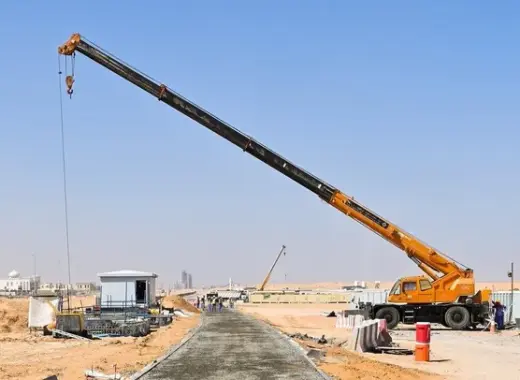

25-Ton Mobile Cranes: The Ultimate Urban Lifting Guide
In the fast-moving world of city construction, equipment flexibility is just as important as lifting capacity. 25-ton mobile cranes represent compact lifting technology, designed to provide dependable strength without complex logistics. Serving as an ideal utility resource for contractors, this machine strikes a perfect balance between daily physical performance and swift road deployment.
Technical Features and Engineering
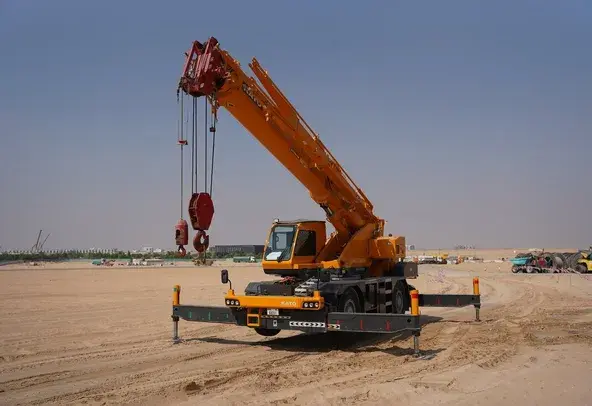
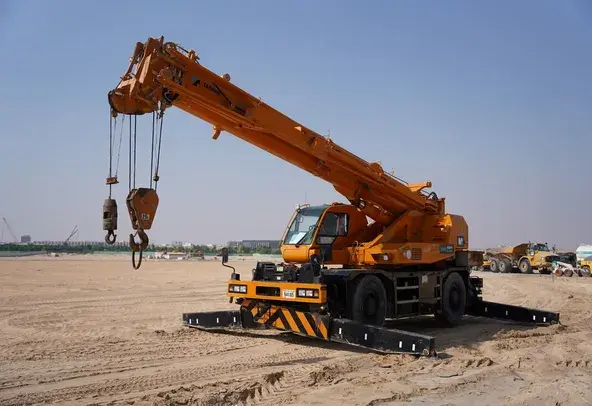
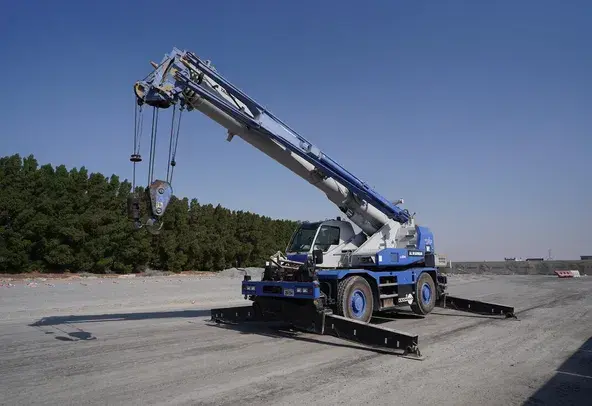
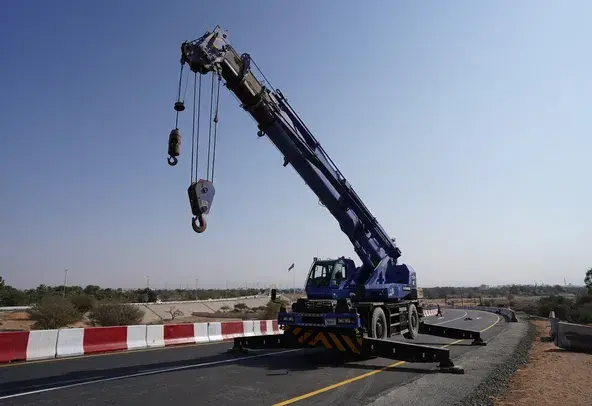
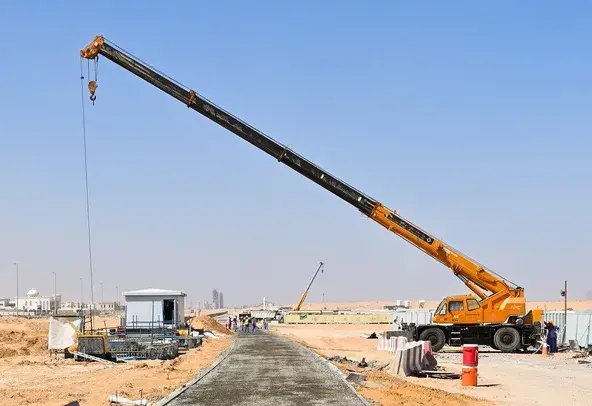
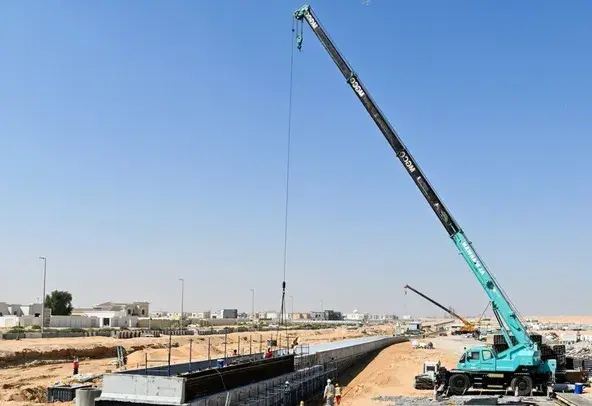
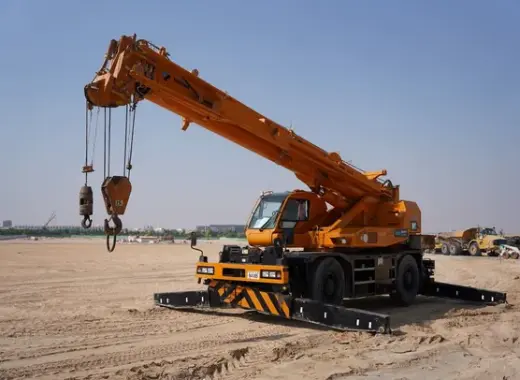
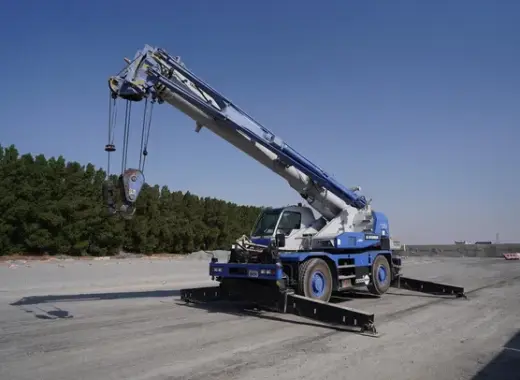
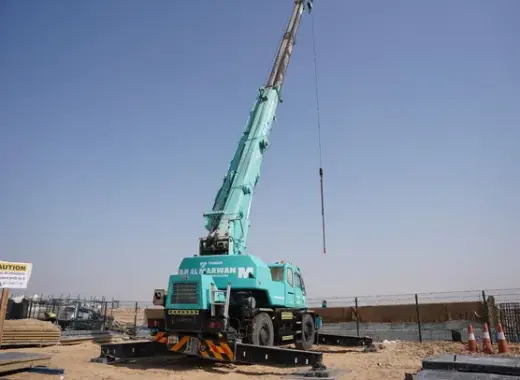
The structural base of a 25-ton mobile crane combines a multi-axle carrier frame with a multi-section hydraulic extending boom. Made from lightweight, high-strength steel, the boom extends under hydraulic pressure to achieve impressive vertical heights and working radii.
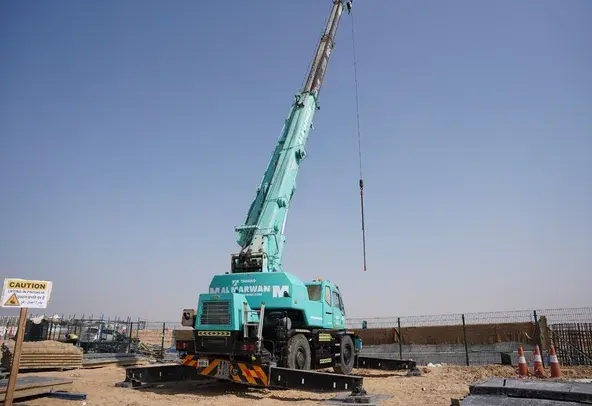
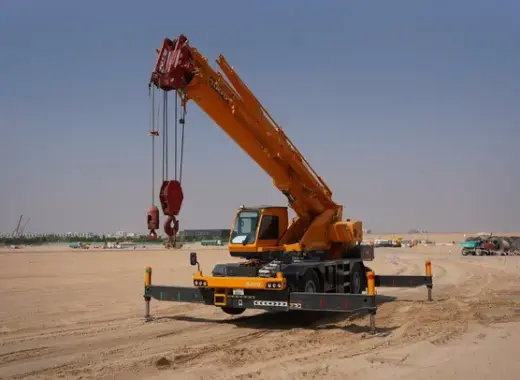
Unlike large crawler cranes that need specialized transport trailers and lengthy site assembly, this mobile unit travels directly on public roads at normal highway speeds. Upon reaching a job site, autonomous hydraulic outriggers deploy quickly from the chassis. This structural base lifts the carrier wheels completely off the ground, converting a nimble road vehicle into a safe, robust lifting platform with precise control.
Primary Uses and Applications
Thanks to its ability to arrive on site, perform a lift, and pack up quickly, a 25-ton mobile crane serves a wide range of commercial, municipal, and residential sectors:
- Light Residential & Commercial Construction: Fits easily through narrow suburban streets to lift prefabricated roof trusses, floor joists, and structural steel beams into place.
- Rooftop Mechanical & HVAC Systems: Parks in standard parking lots or alleyways to extend its boom over commercial buildings, safely lifting replacement chillers, backup generators, and HVAC units onto roofs.
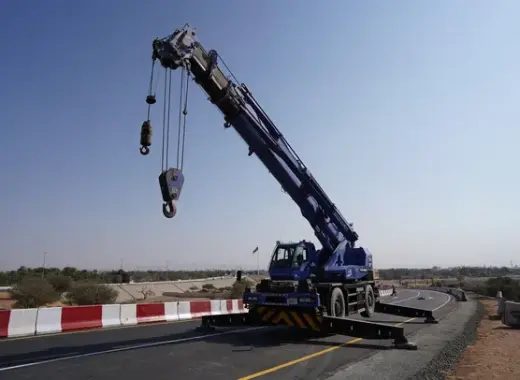
- Municipal Utilities & Infrastructure: Helps city maintenance teams install street lighting, lay concrete drainage culverts, set utility poles, and upgrade local electrical substations without disrupting traffic.
- Emergency Towing & Vehicle Recovery: Deploys rapidly to clear heavy debris, upright overturned tractor-trailers, and assist emergency crews after highway accidents.
Key Operational Benefits
- Full Road Compliance: Equipped with standard heavy-duty tires and built within highway size limits, this crane moves directly to job sites without requiring special oversize permits or escort vehicles.
- Rapid Setup & Takedown: Hydraulic telescoping booms and self-deploying outriggers allow the machine to transition from road transport to active lifting in just a few minutes, lowering labor costs and downtime.
- Compact Footprint: Features a tight turning radius and slim chassis, thriving in tight storage yards, indoor factory floors, and crowded urban streets where larger cranes cannot fit.
- Flexible Boom Extensions: The main hydraulic boom can be equipped with fixed or adjustable lattice jibs, increasing total vertical reach and clearing high rooftop obstacles easily.
- Advanced Onboard Safety: Equipped with Rated Capacity Limiters (RCL) and anti-two-block sensors that monitor live load weights, boom angles, and outrigger pressures to prevent tipping or overloading.
Overview
The 25-ton mobile crane remains one of the most efficient, affordable, and versatile machines in the heavy lifting sector today. By combining the speed of a highway vehicle with precise hydraulic lifting strength, it solves daily logistical and spatial challenges for modern contractors.
Whether navigating a narrow alley for a rooftop HVAC replacement or supporting an urban utility repair, this machine provides reliable, steady performance. For construction firms, city departments, and equipment rental fleets looking to maximize machine use and cut operating costs, the 25-ton mobile crane is an indispensable asset.
Frequently Asked Questions
1. What popular crane models belong to the 25-ton mobile crane class?
Key models in this category include the Tadano GR-250XL / TR-250M, Kato CR-250 / SR-250R, and Kobelco RK250. These compact cranes are widely popular in global rental fleets.
2. What is the maximum boom length and tip height for a 25-ton mobile crane?
A standard 25-ton mobile crane features a main hydraulic boom extending up to 30 to 32 meters (98 to 105 feet). Adding a folding lattice jib increases the maximum tip height to approximately 38 to 44 meters (125 to 144 feet).
3. Can a 25-ton mobile crane perform "pick-and-carry" operations?
Yes, many 25-ton rough-terrain mobile cranes are rated for pick-and-carry tasks. They can pick up a load and travel slowly across smooth, level ground without deploying outriggers, provided the load remains within the crane's specific pick-and-carry chart limits.
4. What is the difference between a rough-terrain crane and an all-terrain crane in the 25-ton class?
A 25-ton rough-terrain crane features a single cab used for both driving and crane operation, large off-road tires, and is best suited for job sites. A 25-ton all-terrain or truck crane has dual cabs, higher road speeds, and is designed for frequent highway travel between sites.
5. How much space is needed to fully extend the outriggers on a 25-ton mobile crane?
When fully extended, the outrigger footprint typically spans between 6.0 and 6.3 meters (19.6 to 20.6 feet) tip-to-tip. Most models also offer mid-extension outrigger settings for operating in tighter spaces with reduced capacity charts.