






30-Ton Medium Excavators with 10–13 Meter Long Boom: The Fleet & Reach Guide
Project efficiency in heavy industries hinges on matching the appropriate machine to the particular job configuration. While compact excavators tackle confined urban settings and large-scale earthmovers handle enormous volumes, 30-ton medium excavators are ideally positioned right in the sweet spot.
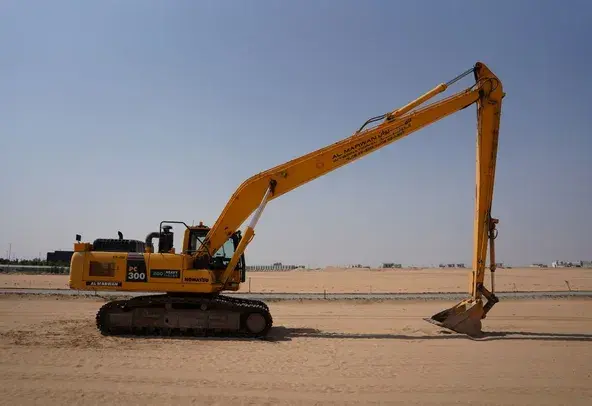
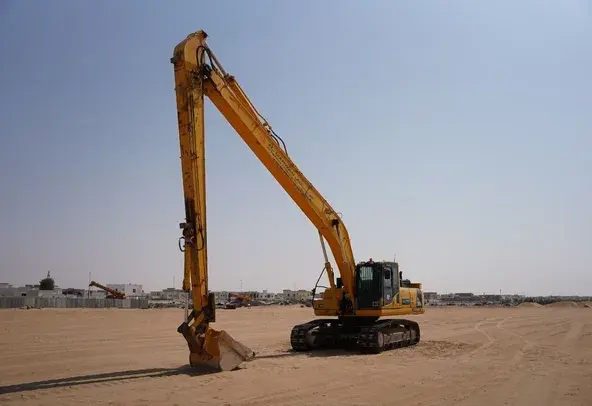
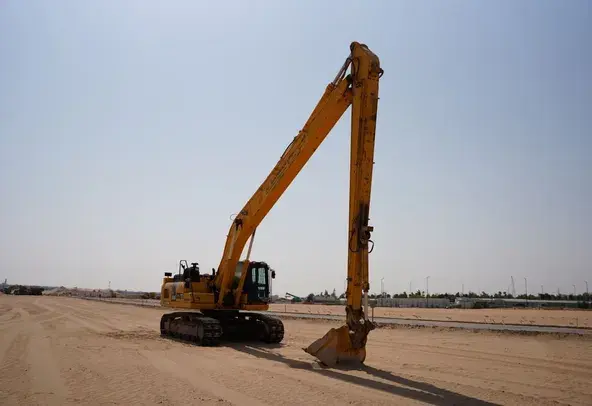
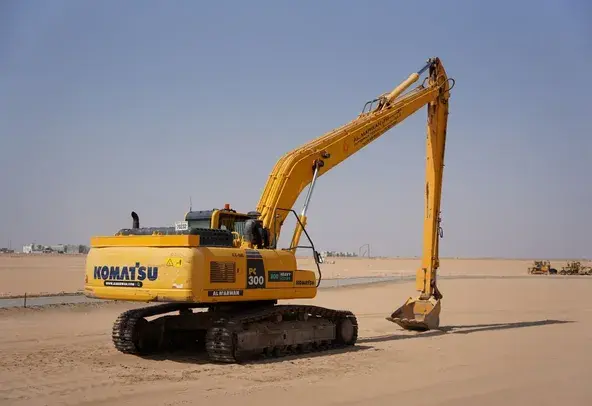
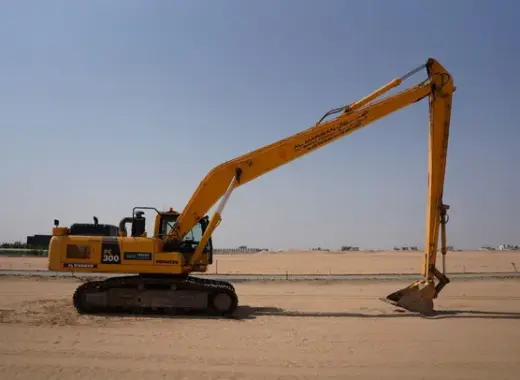
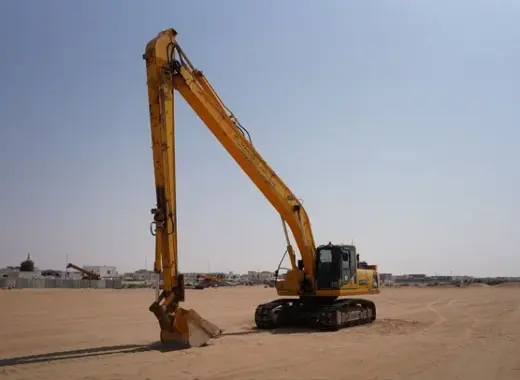
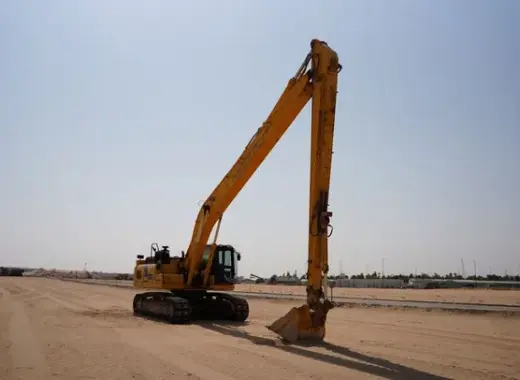
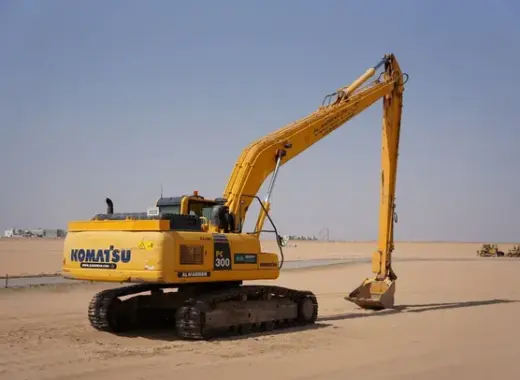
When combined with a boom measuring 10 to 13 meters (33 to 42 feet), this highly adaptable 30-ton platform fills a crucial operational gap. It offers extended reaching capabilities without compromising the agility of a mid-sized machine. This specific configuration retains a solid, balanced footprint while reaching farther, digging deeper, and finishing slopes with high precision.
Engineering Behind the 10–13 Meter 30-Ton Platform
Scaling down from massive 40–50 ton long-reach machines to a 30-ton excavator while maintaining safety and efficiency requires precise engineering:
Weight-to-Strength Optimization: Because a 30-ton machine has less structural mass than a heavy mining class excavator, the 10–13 meter boom uses high-tensile alloy steel. This guarantees maximum structural rigidity while keeping the boom lightweight to protect overall balance.
Proportional Hydraulic Flow: Hydraulic control valves are calibrated to deliver smooth fluid pressure across the entire extended reach, preventing jerky movements when operating at a full 13-meter extension.
Enhanced Stability Footprint: To counterbalance the leverage of a loaded bucket at a 13-meter radius, these machines feature wider track shoes and longer undercarriages to distribute ground pressure evenly.
Key Applications and Job Site Uses
Thanks to their versatile footprint and extended working envelope, 30-ton medium excavators with 10–13 meter booms are essential assets for civil engineering, environmental management, and utility projects:
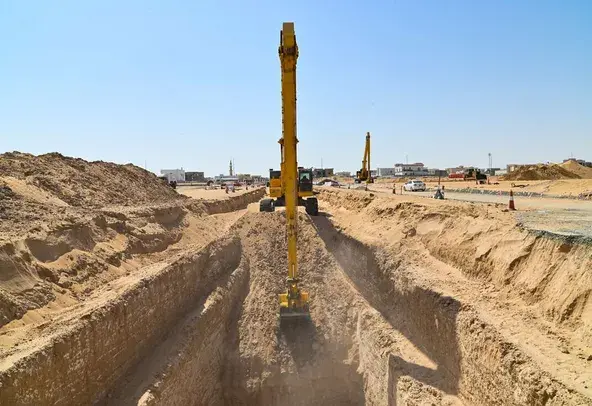
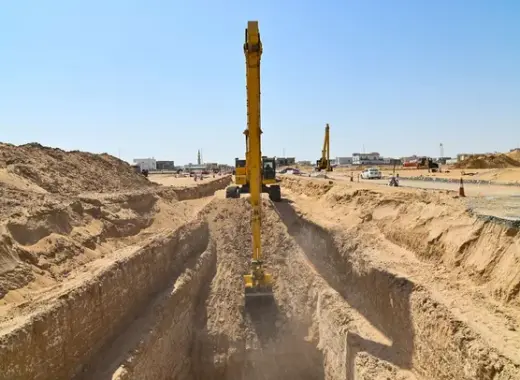
Deep Trenching & Mainline Utilities: Installing deep gas lines, main sewer systems, and municipal water pipes requires deep excavation from a safe distance. The 10–13 meter reach enables the operator to dig deep trenches, lift pipe segments, and position them accurately.
Canal Maintenance & Shallow Water Dredging: Drainage canals, small lakes, and urban waterways require wide reach with minimal ground impact. Sitting on access roads beside canals, the 30-ton chassis uses its 13-meter arm to clear accumulated weeds and silt without damaging fragile canal banks.
Highway Embankments & Slope Finishing: Grading hillside slopes along roads and railways prevents mudslides and erosion. The 10–13 meter reach allows the operator to stand parked at the base or crest of a slope and shave the earth cleanly to engineering design specs.
Medium-Scale Demolition & Industrial Cleanup: Ideal for 2- to 3-story structural demolitions, this machine offers a safe 10- to 13-meter buffer distance from falling debris while remaining compact enough to maneuver inside tight industrial yards.
Key Strategic Advantages
Selecting a 30-ton excavator with a 10–13 meter reach boom offers distinct logistical and operational benefits for fleet managers:
Simple Transport Logistics: Unlike larger 40- or 50-ton specialty rigs that require expensive wide-load highway escorts and complex municipal permits, a 30-ton long-reach unit fits far more easily onto standard lowboy transport trailers.
Ideal Ratio of Reach to Breakout Force: While extending boom length reduces raw digging power, the 30-ton platform's hydraulic system maintains sufficient bucket breakout force to cut through hard clay and compacted soil that would stall a smaller 20-ton long-reach machine.
Reduced Operating Costs & Fuel Efficiency: A 30-ton class engine burns significantly less fuel per hour than larger equipment. Moreover, using the 10–13 meter reach allows the operator to complete tasks across a broad area from a single position, reducing track travel and undercarriage wear.
Operational Comparison
| Feature / Metric | Standard 30-Ton Excavator | 30-Ton with 10–13 Meter Long Boom |
|---|---|---|
| Primary Advantage | High-production bulk digging | Extended working envelope & slope accuracy |
| Maximum Reach Radius | Approximately 7–9 meters | Approximately 10–13 meters |
| Logistics Handling | Simple transport, high mobility | Highly mobile, excellent mid-reach versatility |
| Best Suited For | Foundation digging, mass loading | Canal dredging, deep utilities, slope grading |
Overview
A 30-ton medium excavator equipped with a 10- to 13-meter boom represents an intelligent balance in modern construction fleet design. It proves that contractors do not need a massive, expensive machine to obtain the reach required for specialized deep-digging, slope-shaping, and environmental maintenance projects.
Frequently Asked Questions
1. What popular excavator models offer 30-ton long-reach configurations?
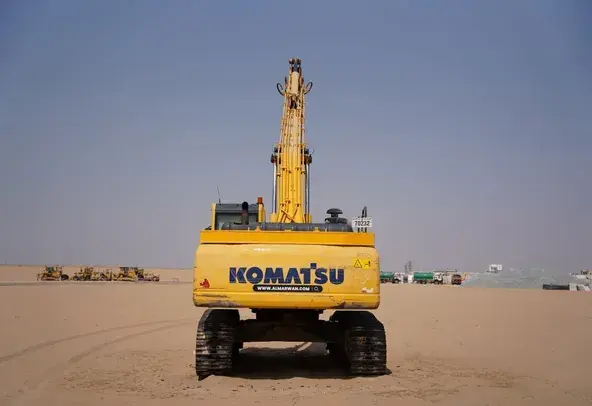
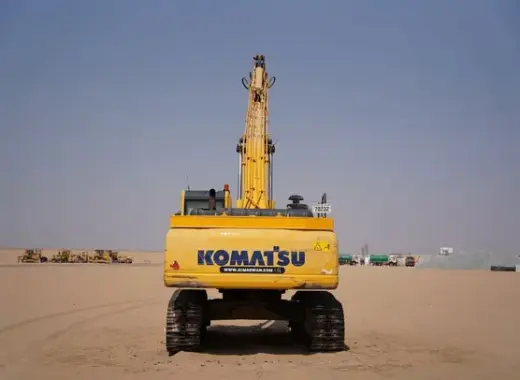
Common models in the 30-ton weight class that offer factory or certified long-reach options include the Caterpillar 330, Komatsu PC300 / PC360, Volvo EC300E, and Hitachi ZX300.
2. How does bucket capacity change when using a 10–13 meter boom on a 30-ton machine?
To maintain stability at full extension, bucket size is reduced compared to standard booms. While a standard 30-ton excavator uses a 1.4 to 1.8 cubic meter bucket, a 10–13 meter long-reach setup typically operates with a 0.6 to 1.0 cubic meter ditching or light-duty bucket.
3. How does a 30-ton long-reach excavator compare to a 20-ton long-reach model?
A 20-ton long-reach machine is lighter and ideal for very soft mud or light ditch cleaning. A 30-ton long-reach machine provides significantly higher hydraulic breakout force, greater stability, and a heavier chassis capable of digging through tough clay, hardpan, and compacted earth.
4. Can a 10–13 meter long boom be used for heavy rock digging?
No. Long-reach booms are specifically engineered for precision slope grading, light dredging, deep utility trenching, and material placement. Using an extended boom to pry solid rock creates extreme leverage that can damage structural welds and pins.
5. How is a 30-ton long-reach excavator transported on public roads?
Thanks to its moderate chassis dimensions, the 30-ton long-reach excavator can be loaded onto a standard multi-axle lowboy trailer with the long boom stretched out flat along the bed, usually staying within standard height and width limits.