






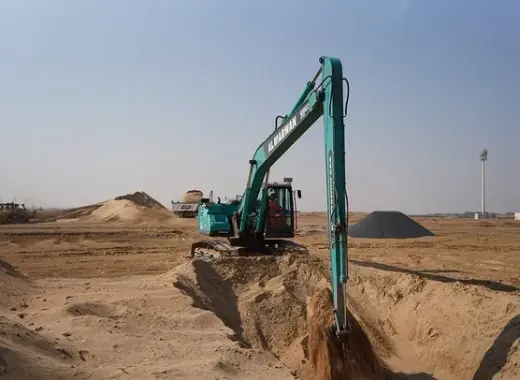
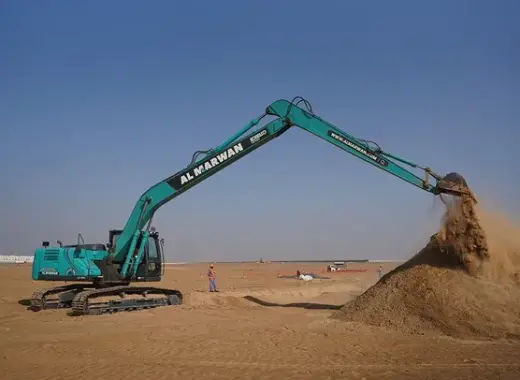
22-Ton Medium Excavators with 14-Meter Long Boom: The Precision Reach Guide
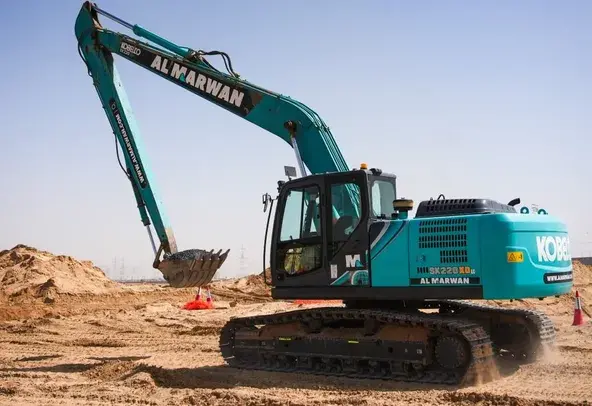
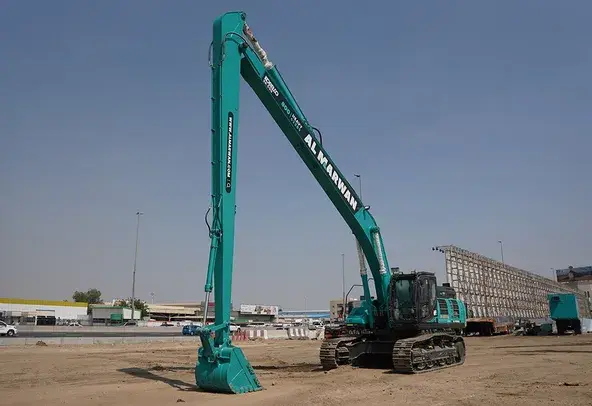
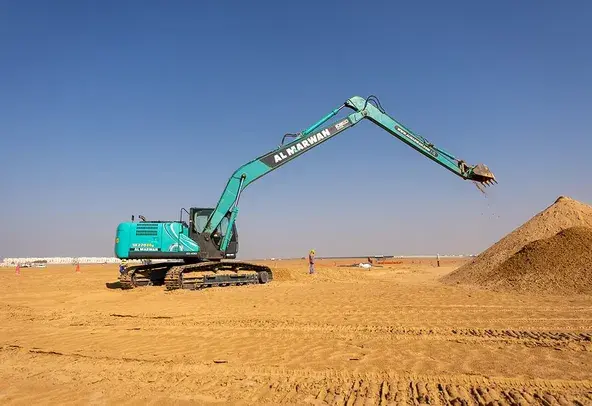
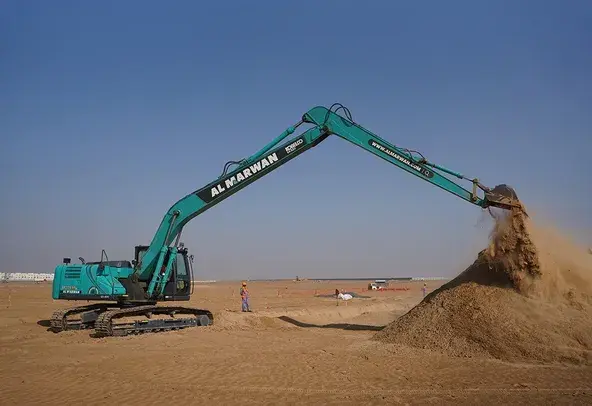
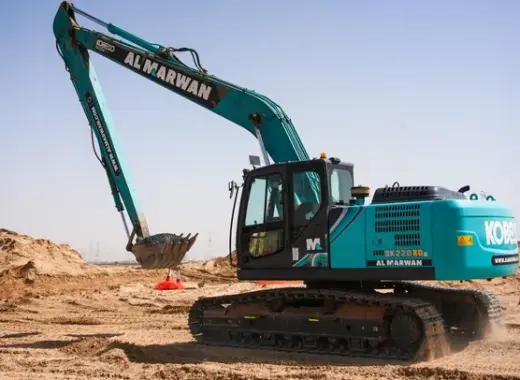
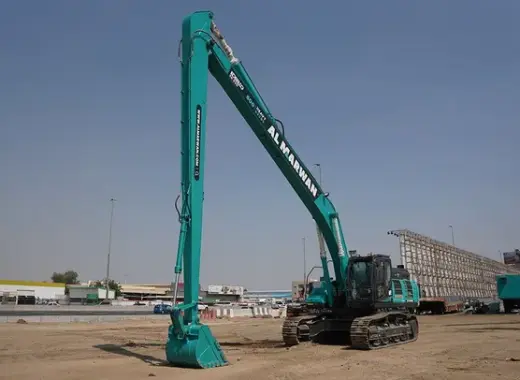
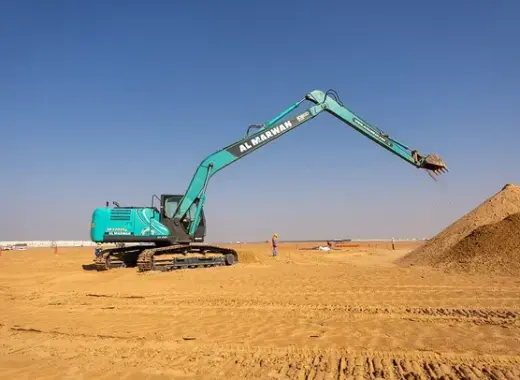
The 22-ton medium excavator serves as the main workhorse across the heavy equipment industry. Because of its nimble size and easy transport, contractors choose it daily for general earthmoving. However, when engineers add an extended 14-meter (46-foot) long boom to this agile chassis, the machine transforms completely. It changes from a standard earthmover into a specialized tool for precise, long-distance work.
Fitting a 14-meter arm onto a 22-ton frame is a impressive feat of engineering. Because a 22-ton machine has a smaller base than 30- or 40-ton models, designers must balance strength with low overall weight. As a result, contractors can handle delicate, high-reach, or deep digging tasks on soft ground where heavier machines would sink.
Structural Architecture Behind 22-Ton Long-Reach Excavators
To operate a 14-meter arm safely without tipping, manufacturers add key structural updates to the 22-ton chassis:
High-Strength Lightweight Materials: Strong, low-weight steel alloys make up the long boom structure. Consequently, the arm stays rigid under load without adding excess weight that could throw off machine balance.
Proportional Balance Calibrations: Designers add a heavier, redesigned counterweight to the rear chassis. This extra weight offsets the leverage created when extending a full bucket to maximum reach.
High-Precision Intelligent Hydraulics: Smart hydraulic valves control oil flow smoothly when working at full distance. Therefore, joystick response remains gentle, preventing sudden jerks or accidental tipping.
Key Applications and Uses
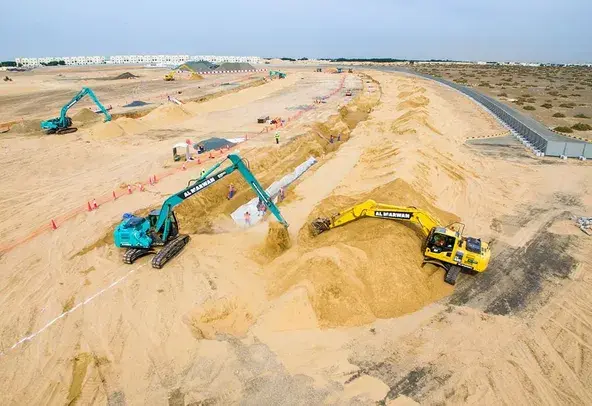
Its light footprint and wide 14-meter reach make the 22-ton long-reach excavator ideal for specialized civil, environmental, and city maintenance tasks:
Light River Dredging & Wetland Management: The machine clears weeds, trash, and mud from ponds and riverbanks with ease. Because the 22-ton chassis spreads its weight evenly over soft soil, it moves safely along marshy shorelines. At the same time, the 14-meter arm lets the operator clear canal beds from solid ground.
Accurate Slope Grading & Landscaping: This setup easily shapes long, angled banks along roads, railways, and drainage basins. In fact, the operator can park at the top of a ridge and smooth the entire slope in one continuous sweep.
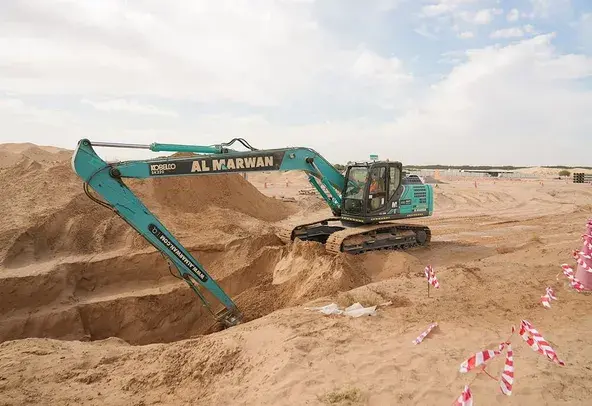
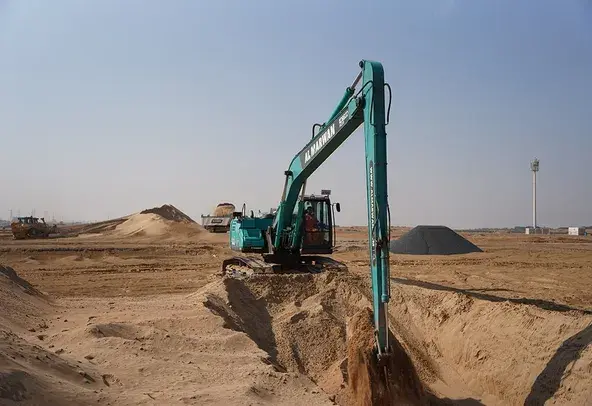
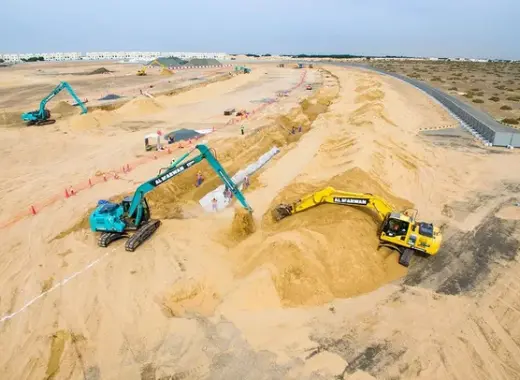
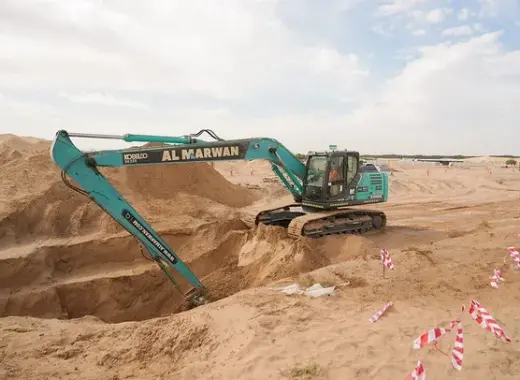
Deep Foundation Pits & Utility Trenching: The machine digs deep vertical holes for basement walls and sewer lines in tight urban areas. Furthermore, it lifts dirt straight to the surface while parked at a safe distance from the pit edge.
Light Demolition & Facade Removal: Long reach helps operators maintain a safe distance when taking down old industrial walls or bridge supports. As a result, the cab stays protected from falling concrete and masonry.
Financial & Operational Benefits
Equipping a 22-ton excavator with a 14-meter long boom offers clear practical and financial perks for fleet managers:
Easy Mobilization & Transport: Large 40-ton specialty machines need wide-load permits and heavy trailers. In contrast, a 22-ton long-reach excavator fits onto standard flatbed trucks for fast, low-cost transport.
Fuel Efficiency & Reduced Maintenance: A 22-ton diesel engine burns far less fuel per hour than a larger machine. Additionally, because the 14-meter reach covers a huge area from one spot, the tracks travel less, reducing undercarriage wear.
Municipal Weight Compliance: The machine meets strict road and bridge weight limits in historic neighborhoods and residential zones. Thus, contractors gain deep-reach capability without breaking local road rules.
Operational Comparison
| Feature / Metric | Standard 22-Ton Excavator | 22-Ton with 14-Meter Long Boom |
|---|---|---|
| Core Operational Strength | Heavy bulk digging & fast truck loading | Maximum horizontal reach & slope precision |
| Maximum Reach Radius | Approximately 6–7 meters | Approximately 14 meters |
| Mobility & Logistics | Standard towing, highly mobile | Standard towing, rapid deployment capable |
| Primary Work Environment | Utility installations, general site prep | Canal clearing, highway slopes, deep pits |
Overview
Extraordinary reach does not require a massive, heavy machine chassis. By combining a balanced 14-meter arm with a light, fuel-efficient 22-ton base, engineers created a versatile tool that punches above its weight. Whether cleaning delicate wetlands, shaping steep highway banks, or working under strict city weight limits, this long-reach setup delivers an ideal balance of safety, reach, and agility.
Frequently Asked Questions
1. What popular excavator models belong to the 22-ton long-reach class?
Common models in the 20- to 24-ton range that offer factory or quality long-reach options include the Caterpillar 320, Komatsu PC210LC, Volvo EC220E, and Hitachi ZX210LC.
2. How does bucket capacity change on a 22-ton long-reach excavator?
To keep the machine stable at full extension, operators use smaller buckets. Standard 22-ton excavators use 0.9 to 1.2 cubic meter buckets, whereas a 14-meter long-reach setup typically uses a 0.4 to 0.6 cubic meter ditching bucket.
3. What is the main difference between factory and aftermarket long-reach excavators?
Factory long-reach excavators feature tuned hydraulics, custom counterweights, and factory warranty coverage. Aftermarket conversions modify standard excavators by adding extended boom arms and extra weights later on.
4. Can a 22-ton long-reach excavator perform heavy rock digging?
No. Long-reach arms are engineered for light digging, dredging, and slope grading. Using a long boom to pry hard rock can bend the frame, wear out pins, or crack welds.
5. How is a 22-ton long-reach excavator prepared for highway transport?
Because the chassis is narrow, crews load the machine onto a standard lowboy trailer. The long boom stretches flat along the trailer bed, staying within standard height and width limits.