






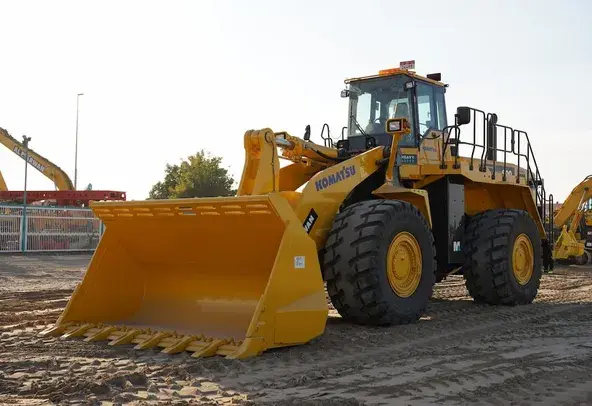
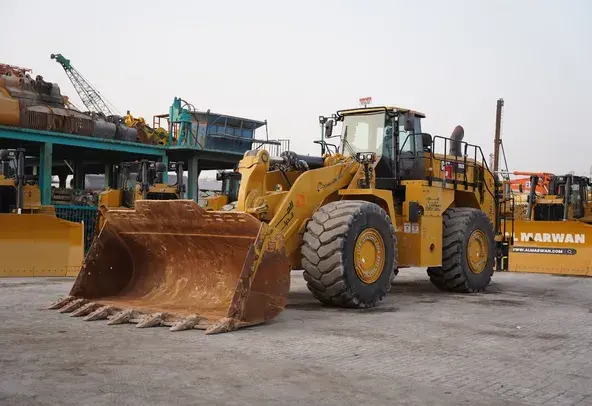
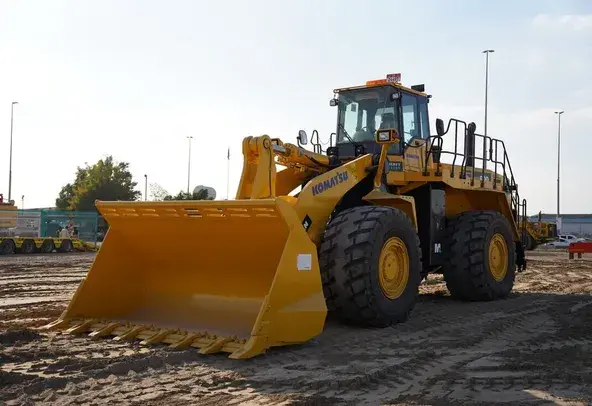
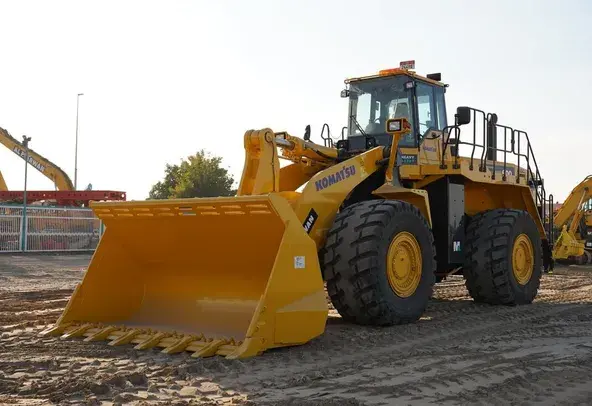
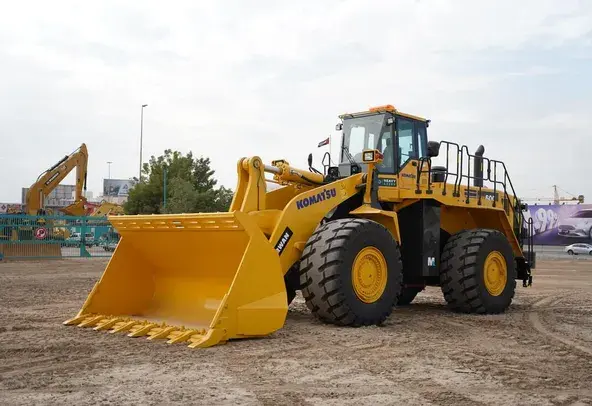
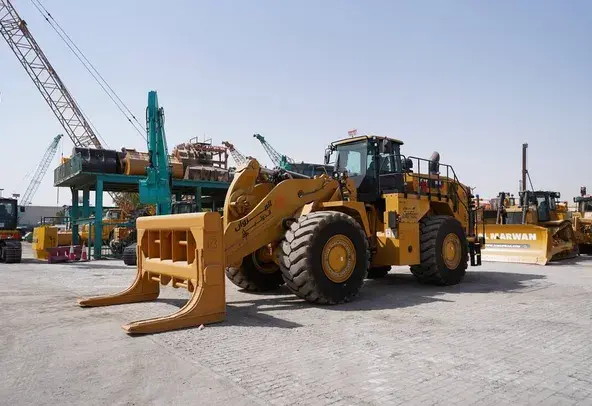
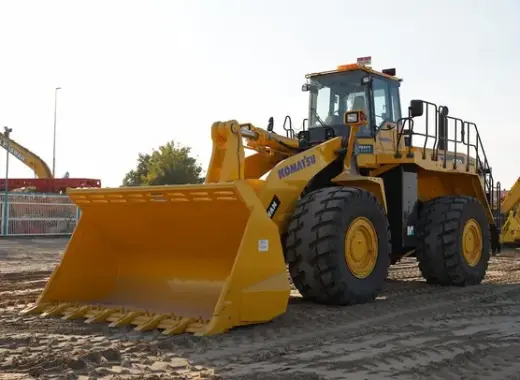
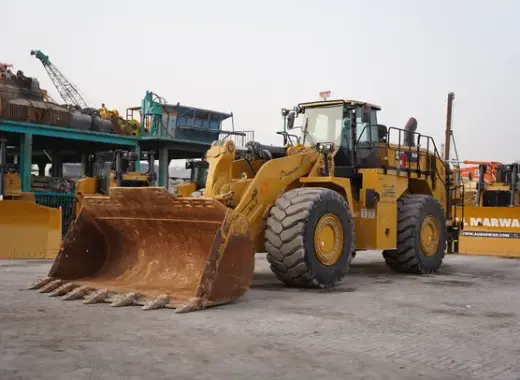
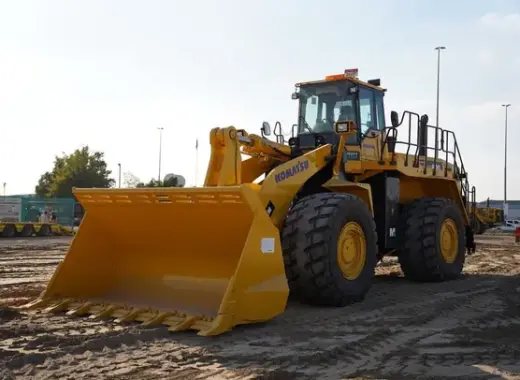
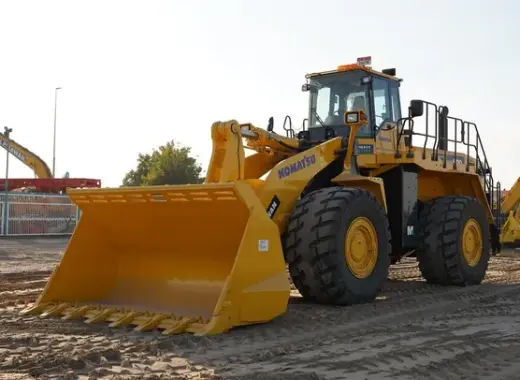
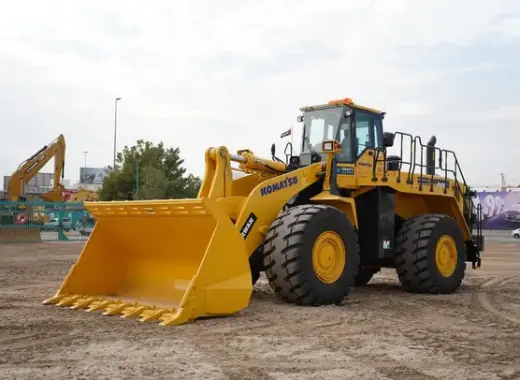
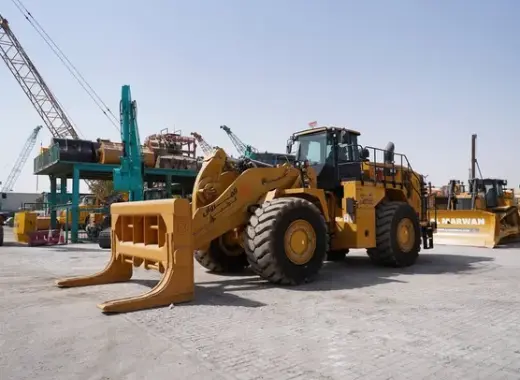
53-Ton Large Wheel Loaders: The Versatile Heavy Production Guide
Industrial worksites require heavy machinery that successfully bridges the gap between high-volume production and flexible site mobility. Equipment capacity directly determines daily profitability when processing aggregates, bulk materials, or infrastructure earthworks.
53-ton large wheel loaders represent the modern benchmark in heavy equipment. They offer exceptional loading efficiency and massive breakout forces without requiring the complex transport procedures of ultra-class machinery.
Superior Engineering and Advanced Design
Strong structural integrity and intelligent power distribution form the foundation of a 53-ton wheel loader's performance. Every engineering detail optimizes machine uptime during demanding, repetitive duty cycles:
High-Performance Powertrain Technology: Powered by a heavy-duty, turbocharged diesel engine engineered to produce high torque at low engine speeds. An automatic planetary power-shift transmission works in tandem with an integrated lock-up torque converter. This delivers aggressive pile penetration while reducing energy loss and fuel burn.
Robust Articulated Chassis: Constructed from high-strength, box-section steel castings designed to withstand extreme twisting and bending forces. A central articulation joint links the front tractor and rear engine frames, giving the machine a tight turning radius for navigating crowded stockyards or compact quarry footprints.
Load-Sensing Hydraulics: Closed-center, load-sensing hydraulic systems utilize variable-displacement piston pumps to deliver fluid power only when needed. Heavy-duty Z-bar lift linkages convert this hydraulic pressure into maximum mechanical leverage, allowing full buckets to elevate quickly to maximum dump heights.
Primary Uses and Industrial Applications
Thanks to their adaptable size and high bucket payloads, 53-ton wheel loaders serve as vital production tools across key industries:
Mid-to-Large Scale Aggregate Quarrying: Acts as the primary material handler for blasted rock, limestone, and gravel. Equipped with heavy-duty rock buckets and protective teeth, it moves broken material from the blast face directly to primary crushers or stockpiles.
Infrastructure Development & Bulk Earthmoving: Loads articulated haulers and dump trucks in just a few quick passes during major road, dam, and airport grading projects to keep site logistics moving smoothly.
Industrial Recycling & Materials Handling: Handles dense, abrasive materials—such as slag, scrap metal, and industrial waste—in steel mills, scrap yards, and recycling facilities with minimal mechanical strain.
Key Operational and Financial Benefits
Enhanced Fleet Efficiency: Replaces multiple smaller loaders with a single, highly productive machine—lowering driver overhead, reducing job site congestion, and cutting fuel costs per ton.
Longer Component Life & Lower Maintenance: Built with heavy-duty wet-disc brakes, oversized cooling modules, and reinforced boom frames that handle continuous heavy loads without structural fatigue or hydraulic overheating.
Operator Environment & Safety: Pressurized, sound-dampened cabs feature panoramic views, rearview safety cameras, and seat-mounted ergonomic joysticks to reduce operator fatigue over long shifts.
Overview
The 53-ton large wheel loader remains a core asset for mining, quarrying, and civil infrastructure operations worldwide. By pairing a durable articulated frame with load-sensing hydraulics and high engine torque, this machine easily overcomes the production limits of smaller equipment. Whether feeding high-capacity crushers, managing stockyards, or speeding up truck loading cycles, a 53-ton wheel loader keeps your fleet productive, competitive, and profitable.
Frequently Asked Questions
1. What popular loader models belong to the 53-ton weight class?
Key models in the 50- to 55-ton size category include the Caterpillar 988 (such as the CAT 988K), Komatsu WA600, and Volvo L350H. These production loaders typically deliver between 500 and 580 net horsepower.
2. What is the standard bucket capacity for a 53-ton wheel loader?
Depending on material density, a 53-ton wheel loader operates with buckets ranging from 6.0 to 10.0 cubic meters (7.8 to 13.0 cubic yards) in capacity, allowing it to move 12 to 16 tons of material per pass.
3. How many passes does a 53-ton wheel loader take to load an articulated dump truck?
A 53-ton loader is pass-matched to fill standard 40-ton articulated haul trucks in 3 to 4 quick cycles, minimizing truck cycle times and preventing site bottlenecks.
4. Can a 53-ton wheel loader be transported without full disassembly?
Yes. Unlike 100-ton+ mining loaders, a 53-ton wheel loader can generally be transported on a specialized multi-axle lowboy trailer simply by detaching the bucket, making site-to-site relocation much easier and more affordable.
5. How does a Z-bar linkage benefit wheel loader digging performance?
A Z-bar linkage geometry focuses hydraulic force directly at the bucket tip during pile entry. This design maximizes digging breakout force, speeds up tilt back, and improves bucket loading efficiency in hardpack or blasted rock.