






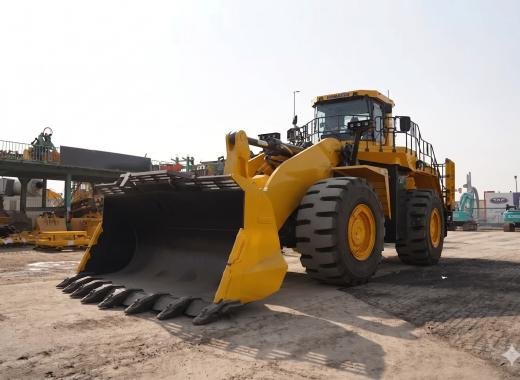
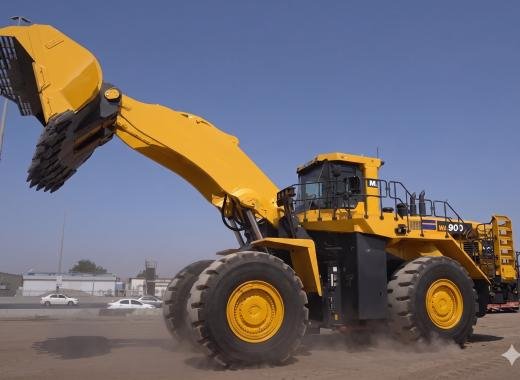
116-Ton Large Wheel Loaders: The Ultimate Heavy Material Handling Guide
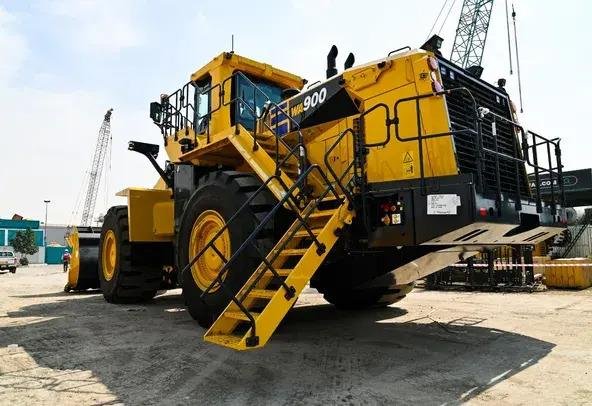
Production speed and payload volume determine profitability in heavy quarrying, large-scale infrastructure building, and high-output industrial mining. Earthmoving equipment built for maximum scale is needed to move thousands of tons of blasted rock, dense aggregate, or raw ore. With an exceptional blend of breakout force, stability, and quick cycle times, 116-ton large wheel loaders represent the ultimate standard in heavy material handling.
Superior Engineering & Advanced Design
A 116-ton wheel loader's design prioritizes both raw power and long-term structural durability. Every mechanical part—including heavy-duty axles and structural hydraulic cylinders—is engineered to endure extreme, repeating stress cycles:
- High-Output Powertrains: A high-horsepower, low-emission turbocharged diesel engine delivers massive torque at low RPMs. Power transfers through an innovative planetary power-shift gearbox for smooth shifting under heavy loads. During aggressive pile penetration, an integrated lock-up torque converter maximizes torque transfer while reducing fuel consumption.
- Sturdy Structural Articulation: Front and rear frames are constructed from strong, box-section steel castings that absorb high twisting forces. A large central articulation joint connects both sections, allowing the machine to swivel and maneuver around tight quarry floors with surprising agility.
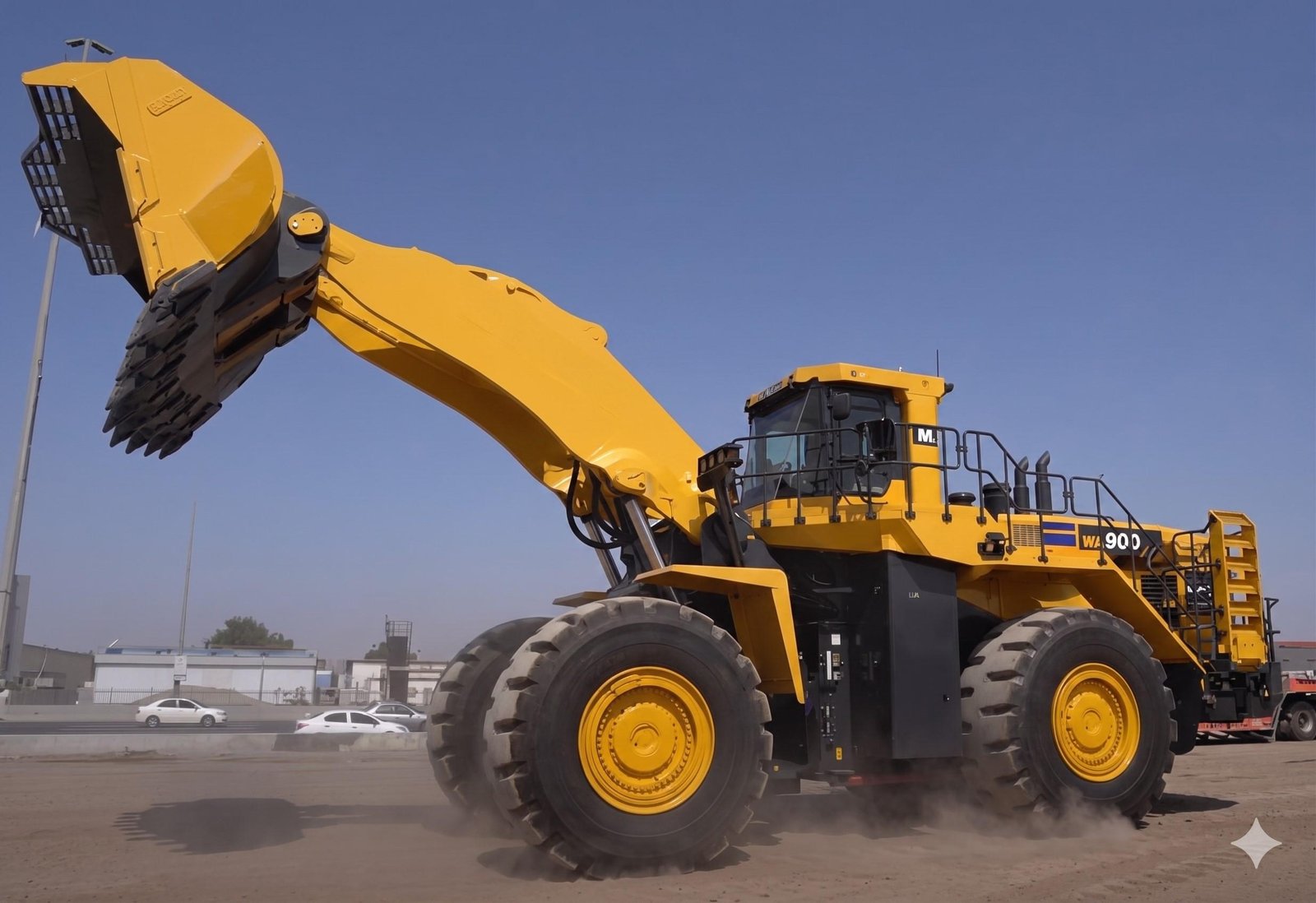
- High-Capacity Hydraulics: Load-sensing hydraulic systems with variable displacement piston pumps deliver elite breakout forces on demand, reducing parasitic engine load. Heavy-duty lift arms and Z-bar linkage geometry maximize mechanical leverage, allowing operators to raise full buckets to maximum dump heights effortlessly.
Primary Uses & Industrial Applications
Because of their immense physical scale and massive bucket payloads, 116-ton large wheel loaders serve as primary production tools in high-volume industries worldwide:
- High-Production Open-Pit Mining: Works alongside large hydraulic excavators to handle stockyard management and face loading. In a few short cycles, a 116-ton loader can pass-match and fill 100- to 150-ton off-highway haul trucks, reducing truck wait times and keeping logistics running smoothly.
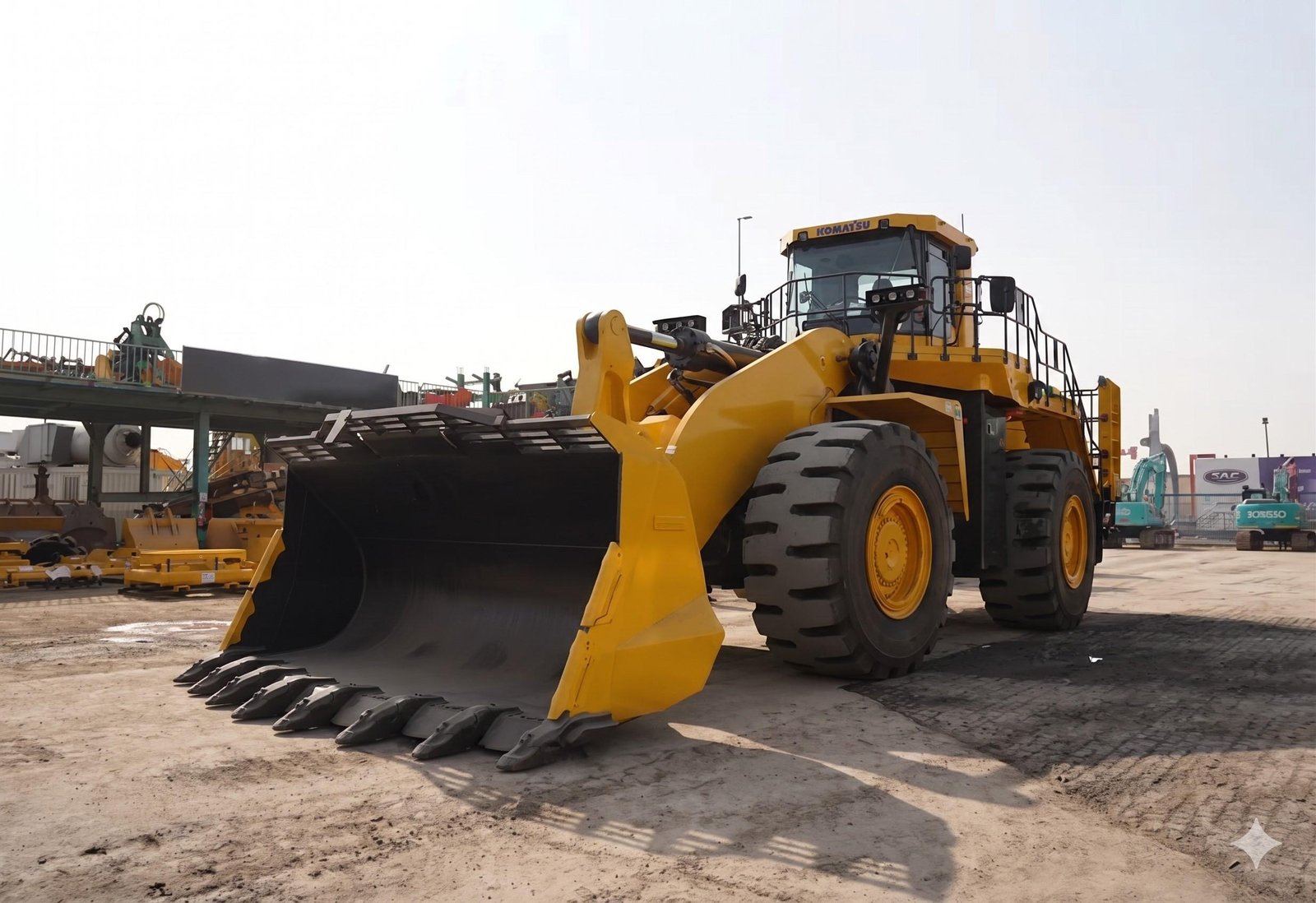
- Large-Scale Aggregate Quarrying: Handles abrasive material directly from blast faces in granite, basalt, or limestone quarries. Using specialized rock buckets with lip guards and heavy-duty teeth, it carries broken rock directly to primary crushers or stockpiles with minimal mechanical strain.
- Industrial Bulk Material Handling: Rapidly moves bulk materials at steel mills, coal processing centers, and deepwater ports. Their fast travel speeds and large bucket capacities make them ideal for "load-and-carry" operations across large yards over short distances.
Key Financial & Operational Benefits
- Maximum Hourly Tonnage: Replaces multiple smaller loaders with a single, highly efficient machine—reducing operator overhead, cutting site congestion, and lowering fuel burn per ton.
- Extended Component Life: Built with heavy-duty wet-disc braking systems, oversized cooling packages, and reinforced boom structures to withstand continuous duty cycles without structural fatigue or overheating.
- Advanced Operator Environment: Pressurized, soundproof cabs feature panoramic views, 360-degree camera systems, and seat-mounted joystick controls that reduce operator fatigue during long shifts.
Overview
116-ton large wheel loaders represent a top tier of heavy earthmoving equipment built for the world's toughest job sites. By pairing a durable articulated chassis with efficient hydraulics and massive powertrain torque, these machines overcome the production limits that stall smaller equipment. Whether loading open-pit haul trucks, feeding aggregate crushers, or managing port stockyards, a 116-ton wheel loader keeps your operation secure, competitive, and highly profitable.
Frequently Asked Questions
1. What famous loader models belong to the 116-ton weight class?
The most prominent model in this weight class is the Caterpillar 993 (such as the CAT 993K), which has an operating weight of approximately 116 to 120 metric tons and generates over 1,000 net horsepower.
2. What is the standard bucket capacity for a 116-ton wheel loader?
Depending on material density, a 116-ton wheel loader operates with buckets ranging from 12 to 25 cubic meters (16 to 32 cubic yards) in capacity, allowing it to carry up to 25 to 30 tons of material per pass.
3. How many passes does a 116-ton wheel loader take to fill a mining truck?
A 116-ton loader is specifically pass-matched to fill 100-ton mining trucks in 3 to 4 passes, or 150-ton off-highway haul trucks in 5 to 6 passes, optimizing loading cycle efficiency.
4. What is the difference between a wheel loader and a tracked excavator for face loading?
While tracked excavators remain stationary on the quarry bench, wheel loaders feature higher travel speeds, allowing them to perform "load-and-carry" duties, move easily between multiple stockyards, and cleanup floor debris around the loading site.
5. How is a 116-ton wheel loader transported between job sites?
Because of highway weight and width restrictions, a 116-ton wheel loader cannot be moved in one piece. Crews disassemble the bucket, lift arms, counterweights, and wheels, transporting the main frame and components across multiple heavy-haul trailers before reassembling on site.