






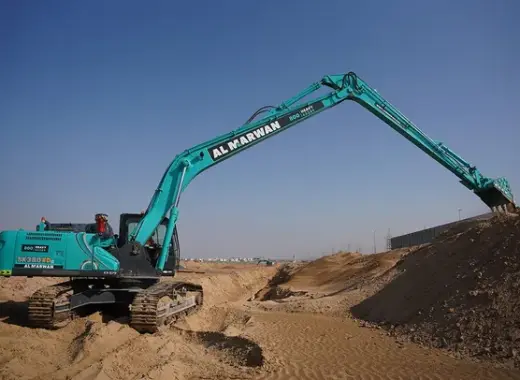
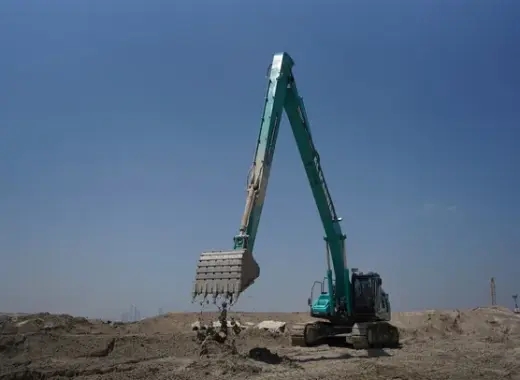
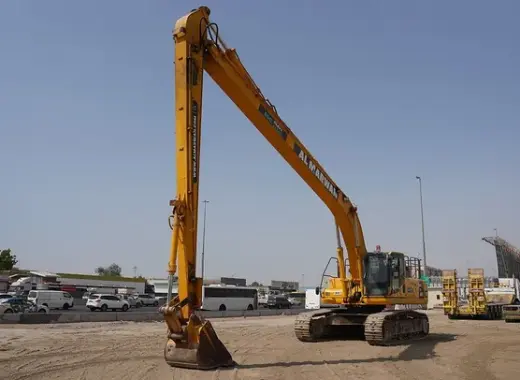
About Large Excavators, 40 ton, Long Boom 17-meters
Standard equipment frequently hits a tangible ceiling—or floor—in the realm of heavy construction and large-scale earthmoving. The industry uses specialized heavy machinery when projects require deep precision digging, high-reach capabilities, and large material handling without sacrificing stability. 40-ton large excavators with a 17-meter-long boom are one of this category's most adaptable powerhouses.
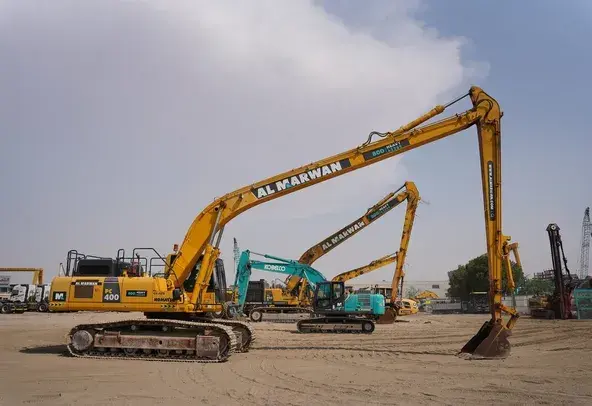
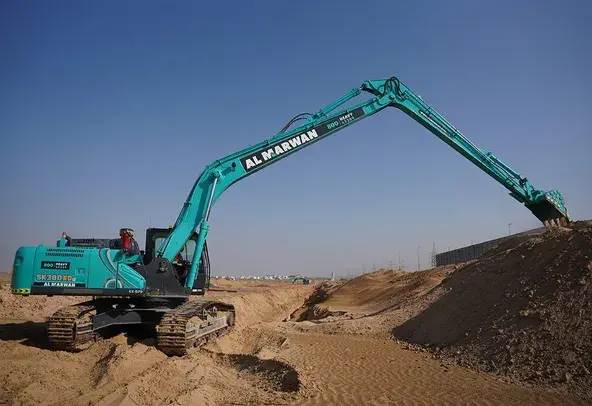
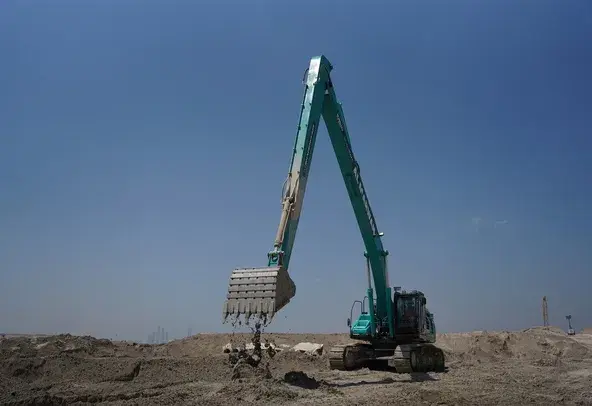
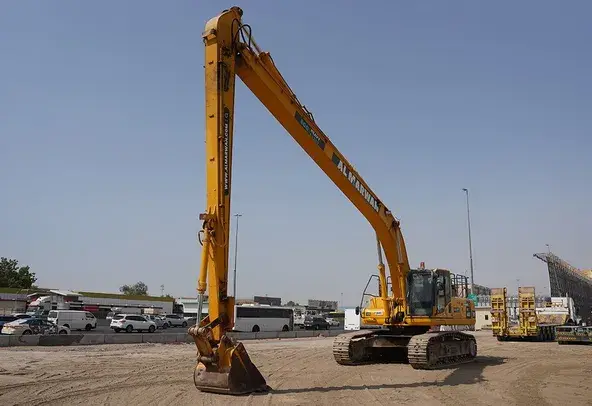
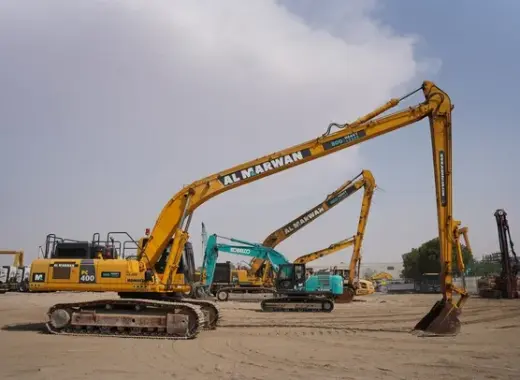
This particular setup is the ideal combination of increased structural reach and sheer hydraulic power. With its sturdy chassis and strong bucket breakout force, a typical 40-ton excavator is already a powerful machine. However, this machine is transformed from a typical bulk earthmover into a highly specialized, long-reach solution capable of handling challenging engineering problems by replacing a regular arm with a carefully designed 17-meter (or around 56-foot) long boom.
Engineering Behind the 40-ton large excavators
It takes much more than just welding additional steel onto a regular arm to produce a dependable 17-meter-long boom. The mechanics of the 40-ton large excavators must be completely recalibrated:
Counterweight Distribution: Manufacturers place much heavier, wider counterweights at the back of the machine to prevent tipping while operating at a 17-meter radius.
High-Tensile Steel Structure: High-quality, high-tensile steel is used in the construction of the long boom and arm. The construction is guaranteed to withstand bending and twisting pressures under high loads thanks to internal baffling and strengthened stress points.
Optimized Hydraulics: Sophisticated hydraulic systems are needed to operate an attachment at the end of a 17-meter extension. Hydraulic pressure is maintained by high-flow pumps and sophisticated valves, giving the operator smooth, predictable joystick reaction.
Applications and Uses of the 40-ton large excavators
This machine is essential in many specialized industries due to its unique combination of a 17-meter reach and a 40-ton heavy excavator working weight. The long-boom version can sit securely on stable ground and easily reach the goal, whereas normal excavators need built-up ramps or several benches to reach a work area.
Excavation of the Basement and Deep Foundation
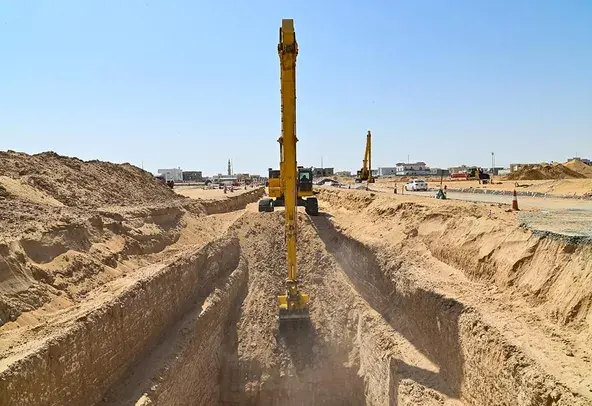
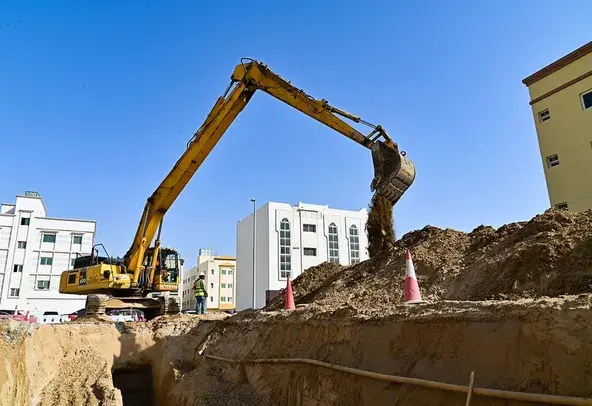
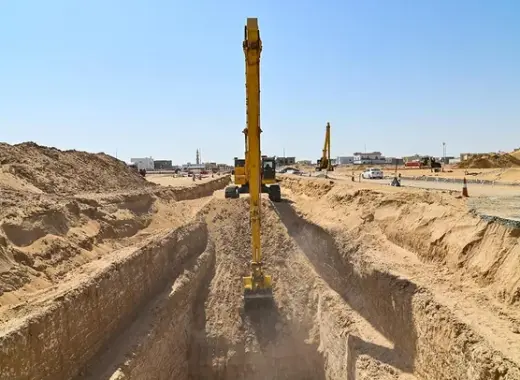
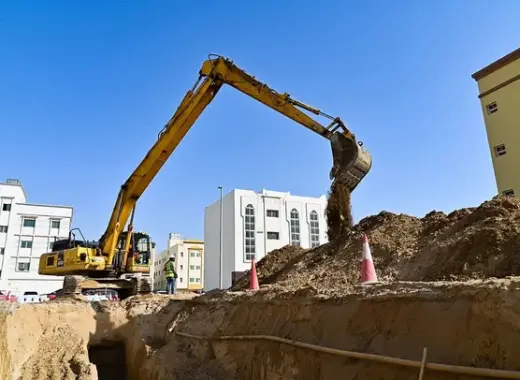
Deep subterranean infrastructure, such as multi-level parking garages and subway stations, is required by modern urban architecture. Without the need for intricate ramp systems for smaller haul trucks, a 40-ton excavator with a 17-meter reach may sit at ground level and dig deep, vertical shafts, removing earth straight from the pit.
Riverbank stabilization and marine dredging
A device that can reach far out into the water from the coastline is needed to shape riverbanks, deepen canals, and remove silt from rivers.
Dredging: The operator can effectively remove dirt and submerged debris thanks to the 17-meter reach.
Canal Maintenance: It keeps the massive 40-ton tracks securely planted on dry, safe ground while enabling clean, continuous bank sloping to stop further erosion.
Precision and High-Reach Demolition
The 40-ton 17-meter excavator is a very agile instrument for low-to-medium-rise buildings, while ultra-high-reach demolition rigs are available for skyscrapers. It shields the cabin from falling debris by enabling operators to securely disassemble industrial walls, bridges, and concrete structures from a safe standoff distance.
Open-Pit Quarrying and Mining
Managing steep walls and benches are essential for safety in quarrying operations. Operators can securely climb down loose rocks from high quarry faces or dig deep into pits to retrieve commodities like clay, sand, and gravel thanks to the extended boom.
Key Benefits of 40-ton large excavators
Compared to normal fleet arrangements, purchasing or renting 40-ton large excavators with a 17-meter-long boom offers clear operational and financial advantages.
Improved Safety at Work
On any big industrial site, safety is of utmost importance. The excavator can operate far away from soft water banks, collapsing structures, and unstable trench edges by using a 17-meter reach. This distance significantly lowers the possibility that the machine will fall into a hole or be hit by falling objects.
Increased Effectiveness and Savings
• Fewer Repositioning: The operator spends more time moving material and less time tracking back and forth due to the machine's enormous working radius.
• Removal of Secondary Handling: This excavator eliminates the requirement for a second "relay" excavator to move dirt up the chain in deep digging situations by lifting material straight to the surface haul trucks.
Versatility via Specialized Attachments
A 40-ton chassis offers sufficient hydraulic flow to power a variety of attachments beyond typical digging buckets despite its lengthy reach. Attachments can be readily switched by operators to suit the task:
• Sorting Grabs: For recycling and precise demolition.
• Hydraulic Shears: For distant cutting through steel beams.
• Compaction Wheels: To securely close deep ditches from above.
Feature | Standard 40-Ton Excavator | 40-Ton with 17-Meter Long Boom |
|---|---|---|
Primary Focus | Heavy bulk earthmoving & high breakout force | Extended horizontal/vertical reach & precision |
Max Working Radius | Approximately 10–11 meters | Approximately 17 meters |
Ideal Environments | Open construction sites, quarries, mass grading | Deep pits, waterways, demolition, slope finishing |
Safety Standoff | Close proximity required | High standoff distance from hazards |
Conclusion: The Ultimate Extension of Heavy Duty Power
40-ton big excavators with 17-meter long boom are more than simply a piece of equipment; it is a highly built solution to some of the most difficult logistical issues in the construction industry. Manufacturers have developed a tool that bridges the gap between raw power and extended access by expanding the reach of a sturdy 40-ton platform.
This machine provides the safety, efficiency, and adaptability that contemporary project managers require, whether it is dredging an important commercial river, excavating the foundations for skyscrapers of the future, or securely demolishing an old concrete bridge. The 17-meter long-boom excavator is prepared to deliver when your workplace needs you to reach farther without sacrificing power.