






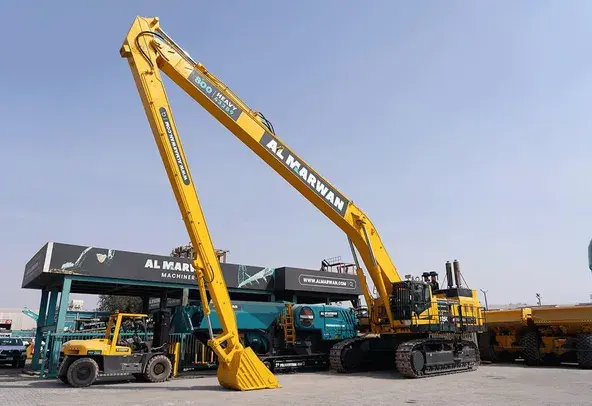
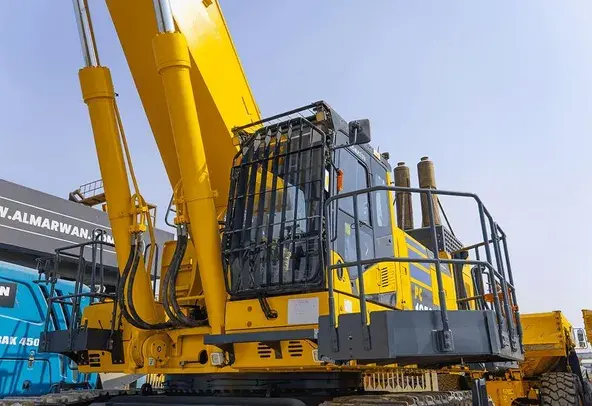
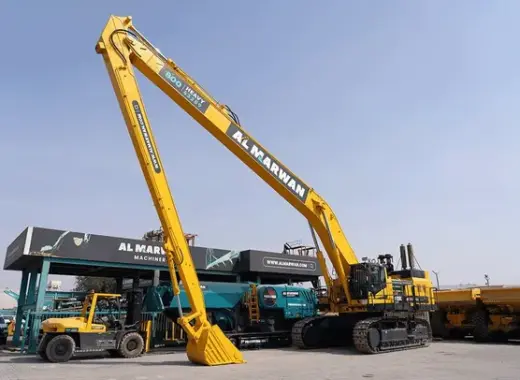
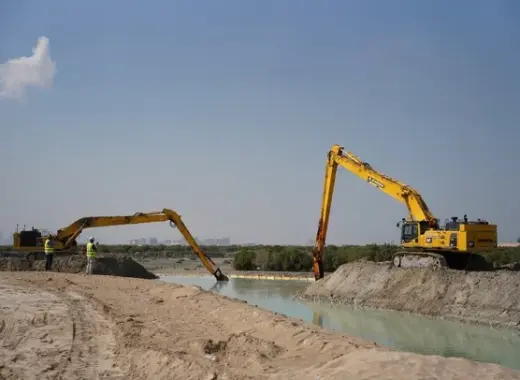
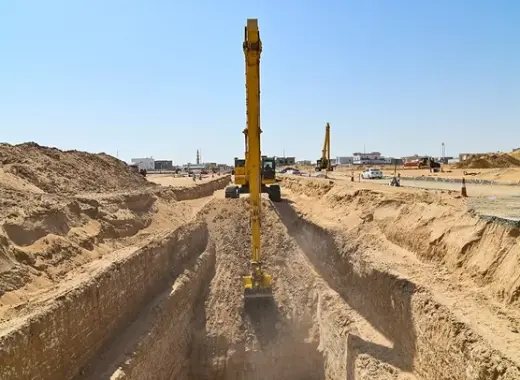
Heavy industry calls in the giants when regular earthmovers reach their physical limits. Few machines have the same authority in the fields of deep-water marine construction, high-reach demolition, and gigantic infrastructure as 125-ton large excavators with a specialized 28-meter long boom.
Production-line mining shovels and extremely agile construction equipment are separated by these ultra-large class machines.
125-Ton Long-Reach's Introduction
It's impressive enough to operate normal 125-ton large excavators. These devices usually have hydraulic systems that can pump thousands of liters of oil per minute and engines that can generate more than 700 horsepower. Nevertheless, the entire structural dynamic is altered when a 28-meter (or around 92-foot) front attachment is added.
Manufacturers use extremely specific engineering techniques to successfully leverage a 28-meter long boom without tipping or structural failure:
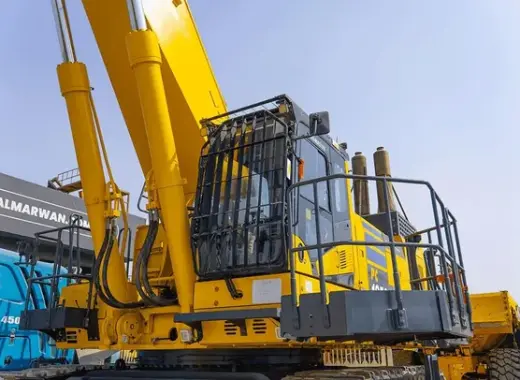
Counterweight Scaling: To ensure center-of-gravity stability when the stick is completely extended, standard counterweights are swapped out for much heavier, frequently extended modules.
High-Tensile Steel Fabrication: The boom and arm are built using high-quality, lightweight high-tensile steel alloys to minimize deadweight and avoid flexing under structural loads in order to optimize lifting capacity.
Wide-Gauge Undercarriages: It is common practice to use retractable, hydraulically adjustable wide-track frames, which provide a larger footprint for distributing ground pressure.
Primary Applications - 125-ton large excavators
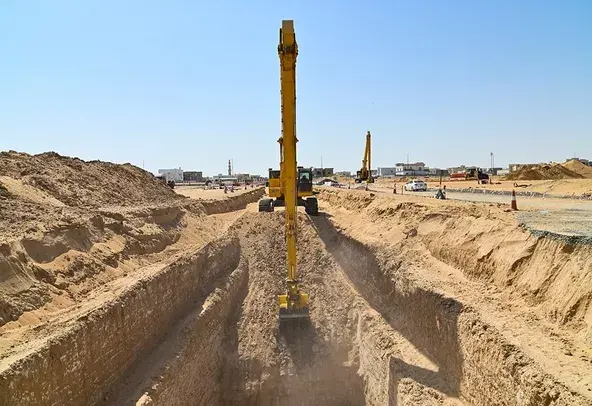
125-ton large excavators are rarely used for straightforward trenching. Rather, these devices are specially designed for extremely sophisticated industries where reach equates to profitability and safety.
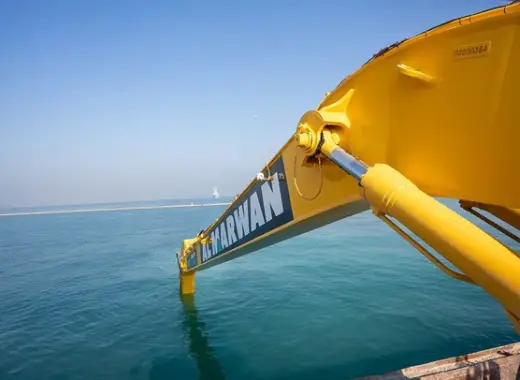
Marine and Deep-Water Dredging
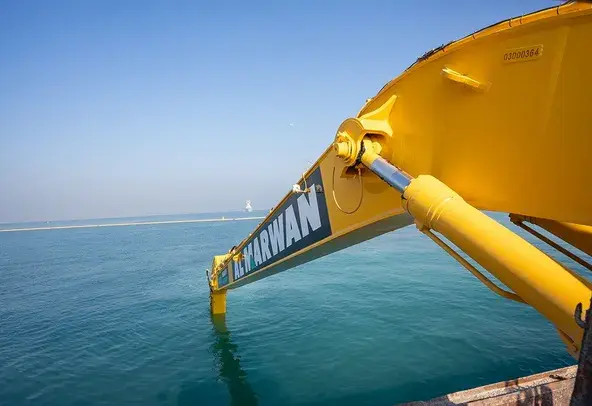
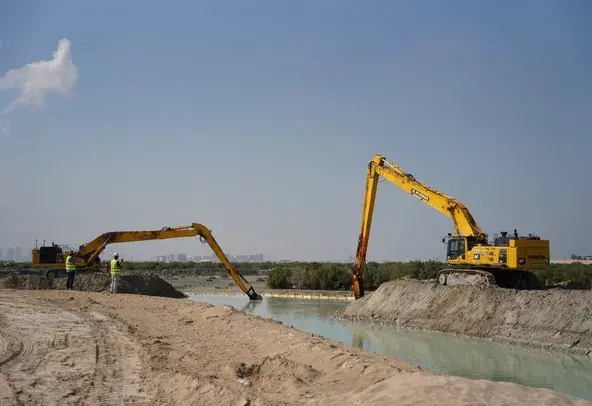
It takes extraordinary depth to develop ports, clear trade lanes, or reclaim minerals from riverbeds. Operators can sit safely on a shoreline or a stabilized barge with a 28-meter reach while precisely excavating material dozens of meters below the water level.
Extensive Demolition and Deconstruction
When demolishing multi-story concrete structures, the operator must maintain a safe distance from falling debris. A 125-ton machine can systematically deconstruct industrial structures from top to bottom by carrying massive hydraulic shears, pulverizes, or breakers with a reach of 28 meters.
High-Wall Scaling and Open-Pit Mining
In large-scale mining operations, safety managers clean loose rock that could endanger haul trucks below by using long-reach machines to mount unstable high-walls from a safe distance. Additionally, they are perfect for excavating deeply from benches without the need for dangerous, steep access ladders.
Economics of Upgrading to 125-ton large excavators
A thorough grasp of your return on investment (ROI) is necessary before investing in a machine of this size. Although these units require a lot of cash, their efficiency figures are impressive.
Removal of Specialized Equipment: In many dredging situations, a complicated arrangement of several smaller machines, draglines, or specialist floating cranes can be replaced with single 125-ton large excavators.
Enhanced Site Safety: You can save lives and significantly reduce insurance liability risks by keeping your operators farther away from deep water, cracking concrete walls, and unstable trenches.
Faster Cycle Times: Compared to modified smaller heavy equipment working near their maximum limitations, these machines cycle through loads significantly more quickly thanks to high-torque swing motors and sophisticated dual-pump hydraulics typical of the 125-ton class.
Summary: 125-ton large excavators
For tier-one contractors working on international infrastructure projects, 125-ton large excavators are becoming essential tools rather than specialized anomalies. They offer a unique and extremely lucrative combination of strong hydraulic force, unwavering stability, and precise surgery at great distances when combined with a 28-meter long boom. The best method to get a competitive edge is to upgrade to the 125-ton ultra-reach class if your next contracts entail lofty industrial deconstruction or deep maritime footprints.