





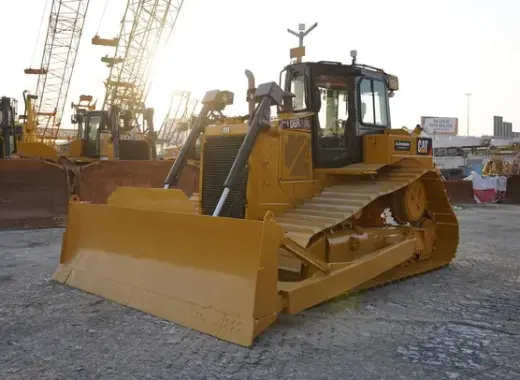
40-Ton LGP Large Dozers: The Low Ground Pressure Guide
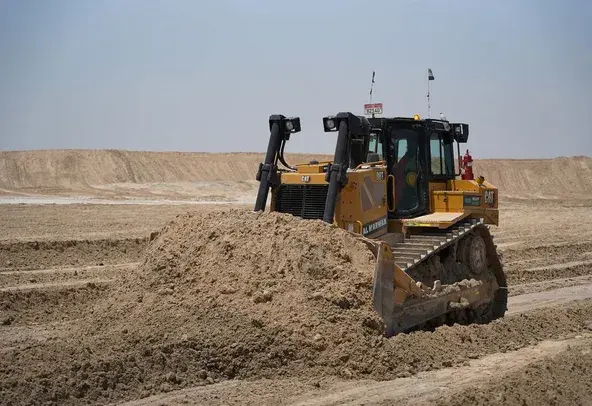
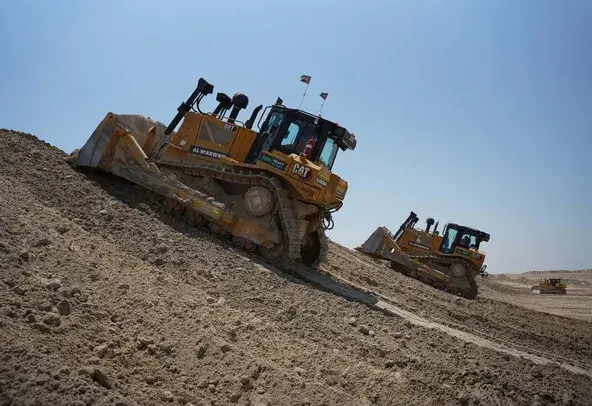
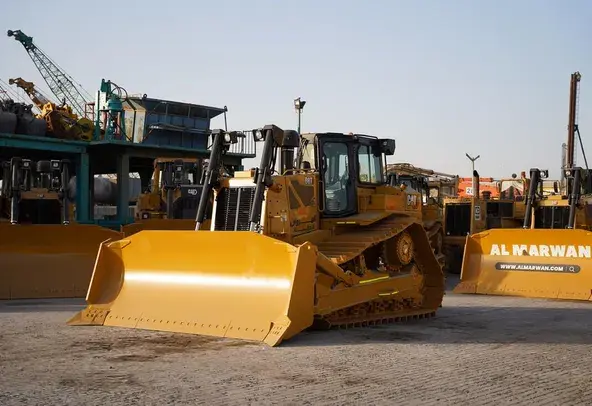
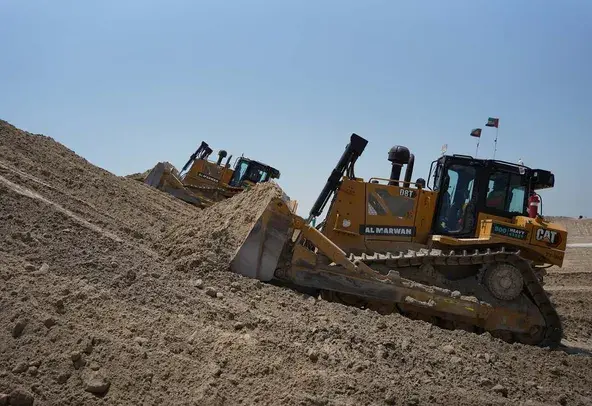
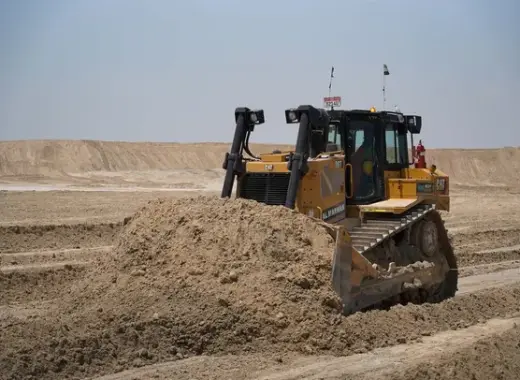
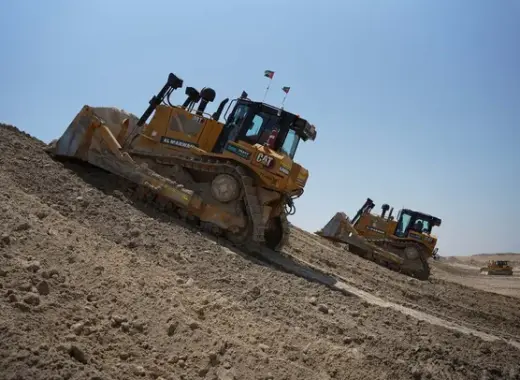
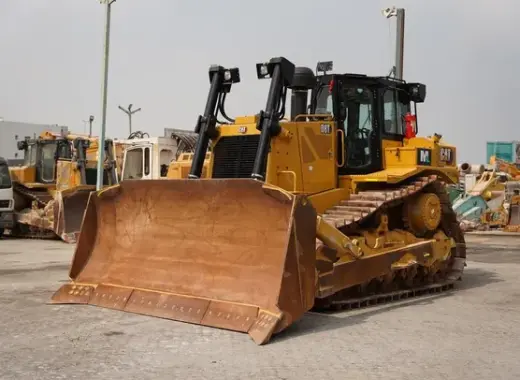
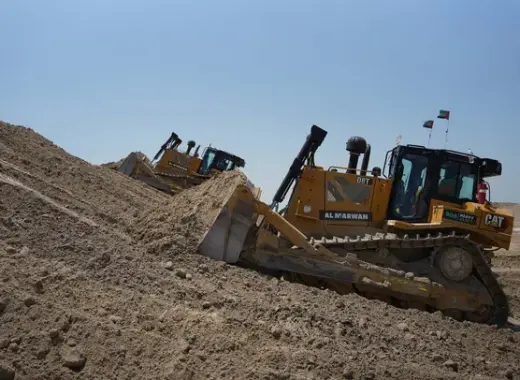
Striking a balance between massive earthmoving capacity and delicate ground conditions is a classic engineering challenge. The 40-ton Low Ground Pressure (LGP) dozer offers the ideal solution. Weighing approximately 80,000 pounds, this specialized crawler tractor combines the brute pushing force of a heavy production dozer with a wider, longer track footprint that prevents the machine from sinking into soft earth.
How Low Ground Pressure (LGP) Engineering Works
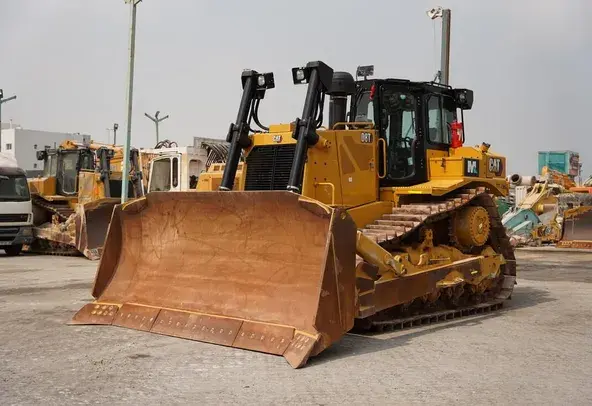
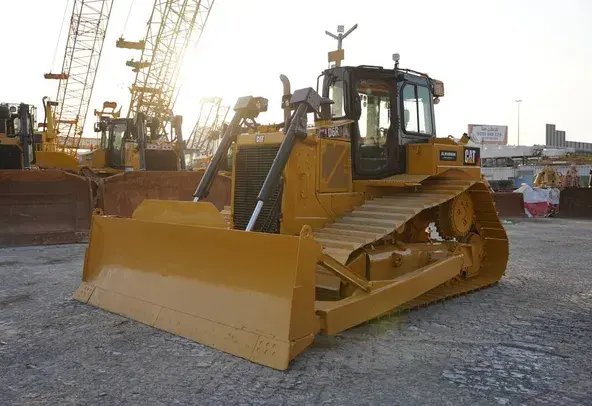
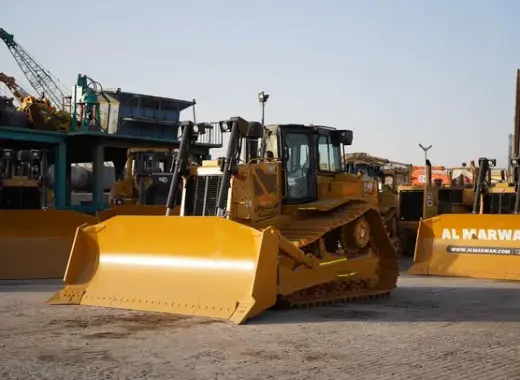
The defining feature of a 40-ton LGP dozer is its weight distribution system. While a standard 40-ton dozer concentrates its mass on standard-width track shoes, an LGP version uses significantly wider track shoes (grousers) and a wider track frame gauge.
By expanding the undercarriage's total surface area contact with the ground, the machine distributes its 80,000-pound operating weight over a much larger footprint. This lowers the overall pounds-per-square-inch (PSI) ground pressure, allowing the heavy dozer to "float" over soft, muddy, or sandy terrain where standard machines would sink or get stuck.
Primary Uses & Job Site Applications
Because of their ability to maintain high drawbar pull on unstable ground, 40-ton LGP dozers handle delicate, soft-soil operations:
- Pipeline Construction & Wetland Remediation: Backfilling trenches, clearing right-of-ways, and moving heavy earth across marshes, swamps, and river deltas without bogging down.
- Mining Tailings Ponds: Shaping soft embankments, maintaining settling basins, and reinforcing earthen berms around delicate slurry ponds.
- Land Reclamation & Coastal Protection: Spreading wet sand, silt, and dredged material to restore beaches, build protective dikes, and prepare saturated coastal foundations.
- Soft-Earth Forestry & Clearing: Clearing thick brush and pushing stumps in soggy woodlands while wide tracks prevent severe ground rutting and subsoil damage.
Key Operational & Financial Benefits
- Maximum Flotation, Minimal Rutting: Operates safely on soft mud, sand, and swampy terrain, preventing deep ground ruts and reducing post-project site restoration costs.
- Wider Blade & Enhanced Stability: A wider track gauge provides a broader, more stable foundation, allowing the dozer to carry wider, higher-capacity blades for more volume per pass.
- Heavy-Duty Ripping Capability: Retains its full 40-ton operating weight, allowing rear rippers to fracture hardpack, frozen ground, or dense clay without losing traction.
- Smart 3D Grade Automation: Integrated 3D GPS systems adjust blade height and angle automatically to match digital plans, cutting down on unnecessary passes.
- Higher Fleet Versatility: Allows contractors to bid on both high-volume civil earthworks and soft-soil environmental jobs with a single machine platform.
Overview
The 40-ton LGP large dozer is a critical asset for resource extraction, coastal engineering, and environmental remediation. By pairing high-horsepower pushing force with a wide, low-ground-pressure footprint, it delivers dependable performance on the softest terrain on earth.
Frequently Asked Questions
1. What does LGP stand for on a bulldozer?
LGP stands for Low Ground Pressure. It indicates that the dozer is equipped with wider track shoes and an extended track frame to spread weight over a larger area, reducing PSI ground pressure.
2. How does an LGP dozer's ground pressure compare to a standard dozer?
A standard 40-ton dozer exerts around 11 to 13 PSI of ground pressure. An LGP version in the same weight class lowers ground pressure down to roughly 5 to 7 PSI—a reduction of almost 50%—allowing it to navigate soft mud effortlessly.
3. What is the difference between a standard 40-ton dozer and an LGP model?
While both share similar engine horsepower and hydraulic output, the LGP model features a wider chassis frame, extended track rollers, wider track shoes (grousers), and a wider dozer blade to match the broader stance.
4. Can an LGP dozer work on hard, rocky ground?
While an LGP dozer can operate on rock, wider track shoes are more vulnerable to bending and excessive wear when working on sharp, hard rock faces. LGP configurations are specifically optimized for soft soil, mud, sand, and clay.
5. Which popular models fall into the 40-ton LGP class?
Common models in this size range include the Caterpillar D8 LGP and the Komatsu D155AX-8 LGP, both generating around 350+ horsepower while maintaining low ground pressure.