






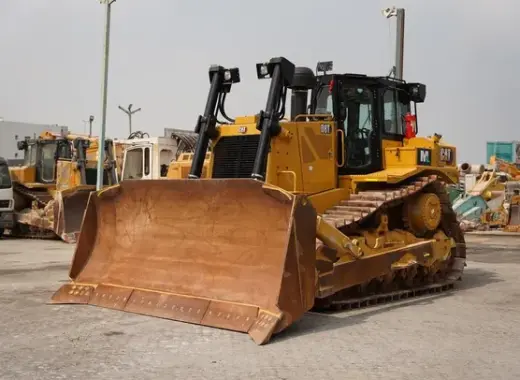
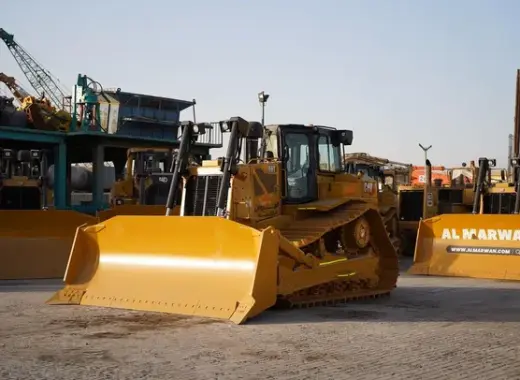
40-Ton Large Dozers: The Heavy Earthmoving Balance
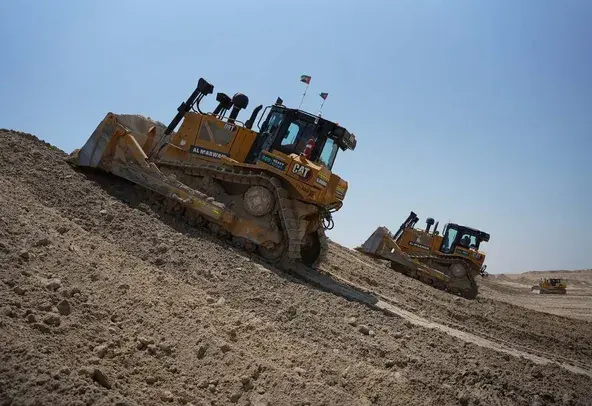
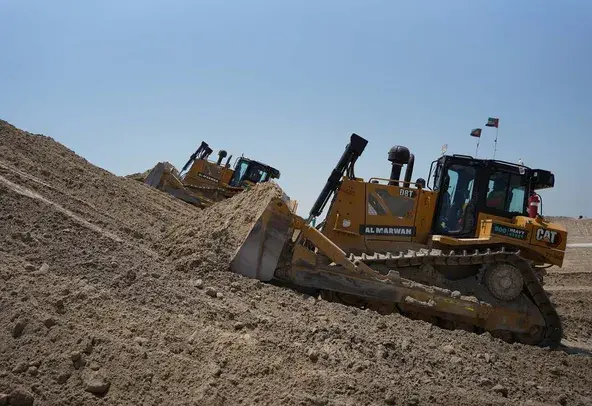
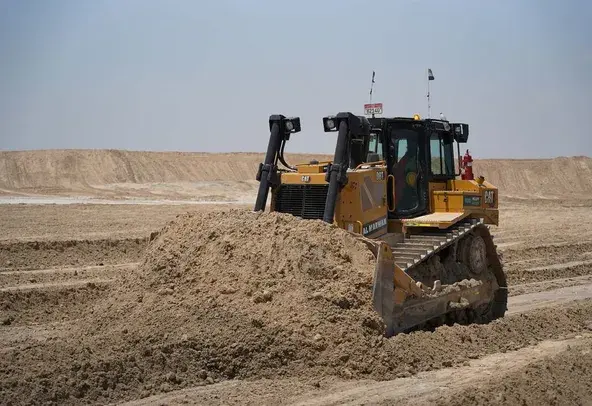
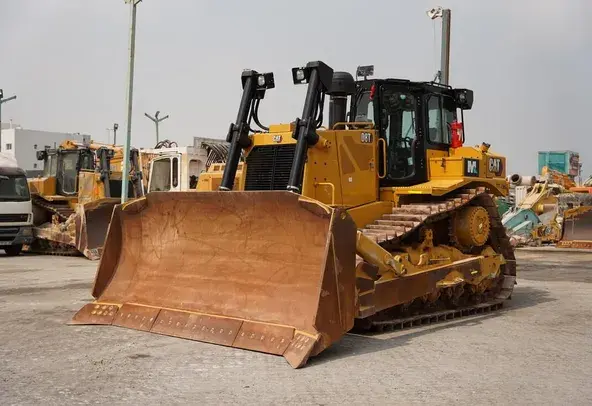
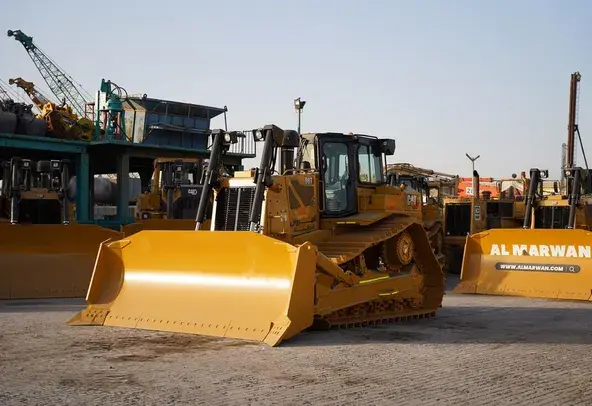
In heavy earthmoving, the 40-ton large dozer represents a critical sweet spot in machine design. Weighing approximately 80,000 pounds, this industrial crawler tractor combines high-capacity pushing power with incredible job site agility. It acts as the backbone for contractors needing massive earthmoving capability without the complex, multi-axle transport permits required by ultra-heavy 70-ton or 108-ton mining dozers.
Heavy-Duty Design & Advanced Engineering
The structural foundation of a 40-ton dozer is built to withstand relentless, high-stress conditions over long working shifts.
- Reinforced Steel Main Frame: Built using high-strength steel castings at high-stress points to absorb heavy shock loads and frame-twisting forces.
- High-Torque Turbocharged Engine: Large-displacement diesel engines provide sustained torque rise, allowing the tracks to push through dense material without stalling.
- Load-Sensing Hydraulics: Smart hydraulic systems track blade resistance in real time, pumping oil only when needed to optimize fuel usage.
- Sealed & Pressurized Cab: Offers sound suppression, automated grading integration, clear blind-spot visibility, and smooth joystick controls to keep operators comfortable and productive.
Primary Uses & Job Site Applications
Because of its ideal power-to-weight ratio, a 40-ton dozer is versatile enough for both high-production mining and tight infrastructure projects:
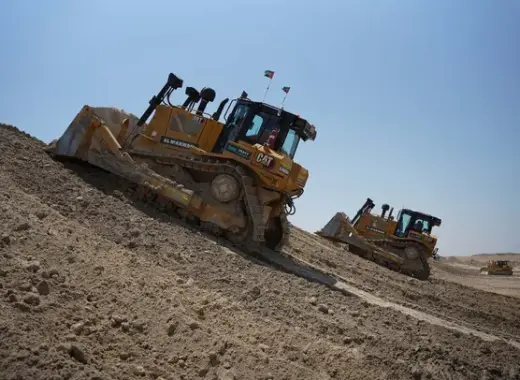
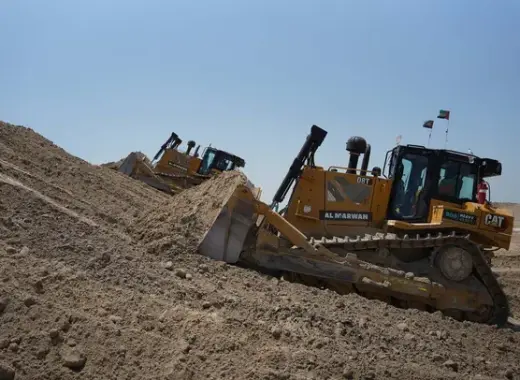
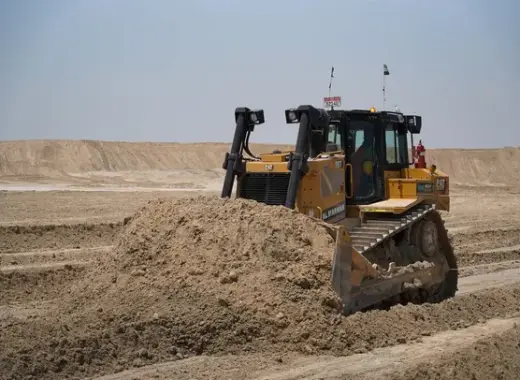
- Highway & Civil Infrastructure: Performs heavy rough-grading, fills deep ravines, cuts down steep slopes, and pre-compacts loose earth across large project footprints.
- Quarry Management & Aggregates: Strips topsoil overburden, clears highwall debris, and pushes blasted rock directly into crusher plants.
- Heavy Rock Ripping: Uses a rear single-shank or multi-shank ripper to fracture hardpack clay, shale, or frozen soil—often replacing expensive drilling and blasting.
- Land Clearing & Forestry: Equipped with brush rakes, tree pushes, and heavy undercarriage guarding to uproot large stumps, clear dense timber, and stack debris.
Key Operational & Financial Benefits
- Easier Site-to-Site Transport: Relocates with far less teardown than 100-ton mining dozers, saving thousands in transport permits and lowering downtime between jobs.
- Better Fuel Efficiency per Ton: Lock-up clutch torque converters and auto-shifting transmissions automatically pick the best gear for blade resistance, lowering fuel burn.
- Lower Maintenance Costs: Undercarriages, track shoes, and final drives offer long wear life without the extreme replacement costs of ultra-heavy mining components.
- Smart 3D Grade Control: Factory-integrated GPS systems connect directly to the hydraulics, automatically guiding the blade to match digital site plans and avoiding over-cutting.
- High Rebuild Capability: Modular powertrains let mechanics refurbish engines, transmissions, and final drives easily, giving the main frame multiple productive life cycles.
Overview
The 40-ton large dozer remains a core asset for production-driven fleets worldwide. By balancing raw pushing force, advanced digital grading, and manageable road logistics, it provides a high-yield, dependable solution for heavy civil earthmoving and resource extraction.
Frequently Asked Questions
1. What famous dozer models fall into the 40-ton weight class?
Popular 40-ton class crawler tractors include the Caterpillar D8, Komatsu D155A, and Shantui SD32. These machines typically generate between 330 and 360 flywheel horsepower.
2. How much material can a 40-ton dozer push in a single pass?
Equipped with a standard Semi-Universal (SU) or Universal (U) blade, a 40-ton dozer can push roughly 10 to 14 cubic yards (13 to 18 tons) of loose material per pass, depending on ground incline and material density.
3. What is the difference between a 40-ton dozer and a 108-ton dozer?
A 40-ton dozer is a versatile heavy civil machine that can be transported on a standard heavy-haul trailer with minimal teardown. A 108-ton dozer (like the CAT D11) is a specialized mining machine that requires full disassembly, multiple trucks, and special permits to relocate.
4. Why is rear ripping better than blasting on construction sites?
Ripping fractured rock or hardpack clay with a 40-ton dozer's rear ripper tooth is safer, faster to initiate, and avoids the legal, environmental, and permit costs associated with explosives on job sites near populated areas.
5. How does 3D GPS grade control improve dozer efficiency?
3D GPS systems automatically raise and lower the dozer blade according to digital site blueprints. This eliminates manual staking, prevents over-excavation, reduces fuel waste, and allows operators to achieve final grade accuracy in fewer passes.