






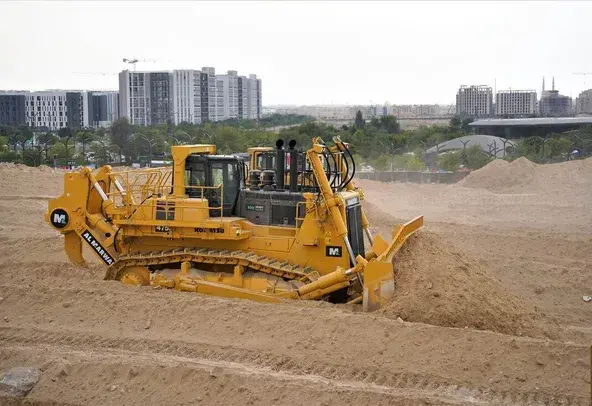
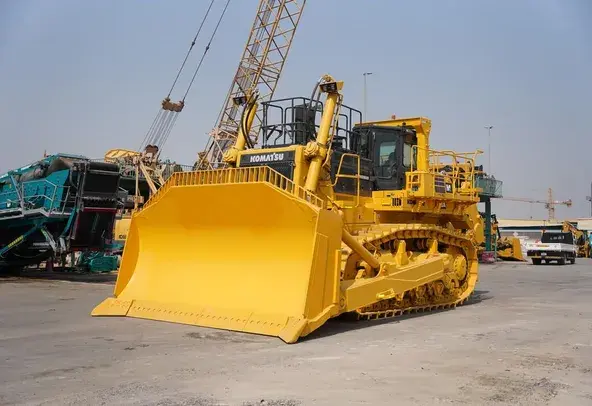
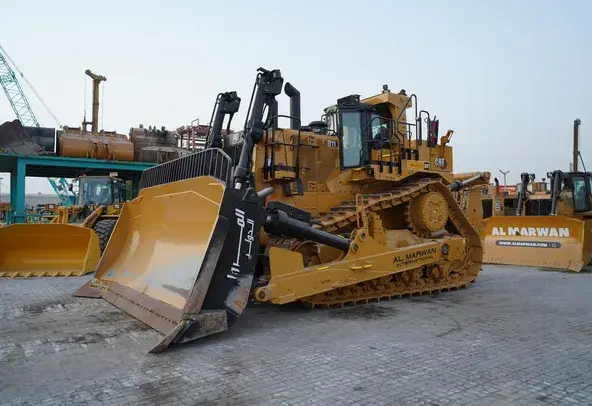
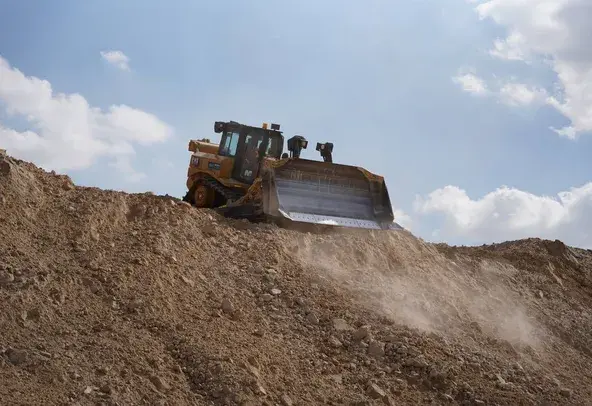
108-Ton Large Dozers: The Ultimate Heavy Earthmoving Guide
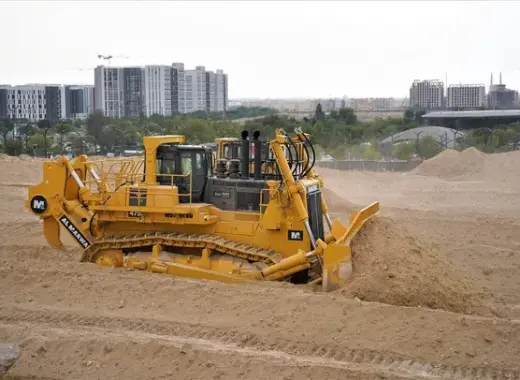
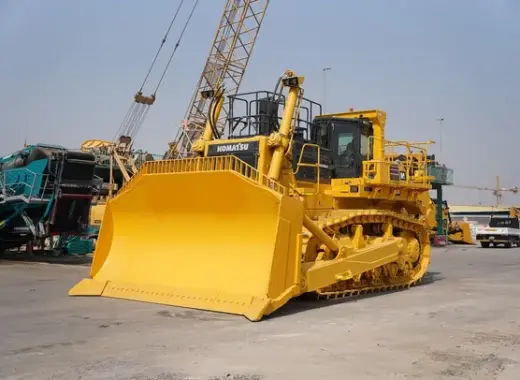
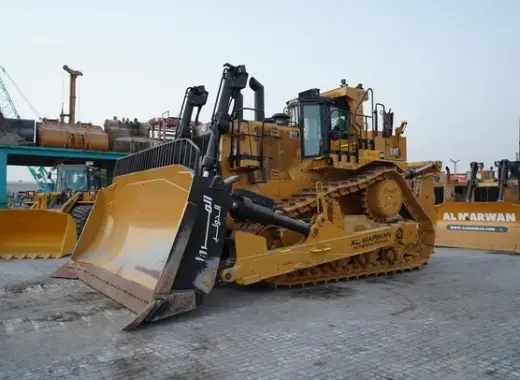
Standard construction equipment is insufficient for moving massive quantities of dirt, rock, and waste. That is where 108-ton large dozers come in. Weighing approximately 216,000 pounds, these giant machines represent the pinnacle of heavy engineering, structural durability, and raw earthmoving power.
Heavy-Duty Design & Advanced Engineering
Every component of a 108-ton dozer is engineered from the ground up to endure extreme mechanical stress and harsh job site environments.
- Reinforced Steel Main Frame: Built from high-strength steel to absorb severe shock loads, ground impacts, and frame-twisting forces.
- High-Torque Diesel Engine: A high-displacement turbocharged diesel engine provides massive horsepower and continuous torque rise when pushing dense, heavy material.
- Elevated Sprocket Undercarriage: The drive sprocket is raised above the ground frame, insulating the final drives from abrasive rocks and impact shocks to extend drivetrain life.
- Ergonomic, Pressurized Cab: Features sound suppression, automated grading systems, clear blind-spot monitoring, and smooth joystick controls to reduce driver fatigue during long shifts.
Primary Uses & Job Site Applications
Because of their immense size and high hourly operating cost, 108-ton dozers are specialized production tools used in large-scale industrial operations:
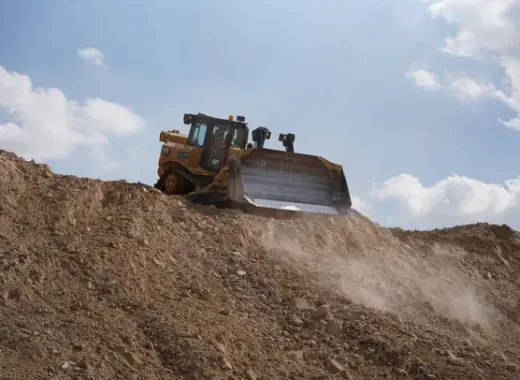
- Open-Pit Mining: Strips thick overburden (soil and rock layers) covering mineral seams and rips through hard, unblasted rock so excavators and haul trucks can operate efficiently.
- Bulk Material Stockpiling: Equipped with high-capacity Universal (U) blades, these dozers push massive volumes of coal, ore, or aggregate across ports, power plants, and stockyards in a single pass.
- Mega Civil Infrastructure: Performs heavy rough grading for massive earthen dams, interstate highways, and airport runways—filling deep ravines and cutting down hillsides in days.
- Quarry Operations: Cleans up quarry faces and pushes heavy, blasted stone toward crusher plants while running across abrasive, jagged rock floors.
Key Operational & Financial Benefits
- Maximum Hourly Production: Moves significantly more cubic yards per hour than multiple smaller dozers combined, shortening overall project schedules.
- Better Fuel Efficiency per Ton: While total fuel consumption is high, the volume of material moved per gallon makes these machines remarkably cost-effective per ton.
- Heavy-Duty Rear Ripping: Equipped with a single or multi-shank rear ripper, a 108-ton dozer fractures hardpack, frozen ground, and solid rock—often eliminating the need for expensive drilling and blasting.
- Rebuildable Components: Major assemblies (engines, transmissions, and final drives) are engineered to be rebuilt multiple times rather than replaced, lowering long-term equipment ownership costs.
- Smart Fleet Technology: Factory-integrated GPS grade control, automated blade assistance, and telematics improve grading accuracy and prevent over-digging.
Overview
The 108-ton large dozer is an essential powerhouse for global mining, material handling, and civil infrastructure. By combining high-horsepower engines with an elevated sprocket drivetrain and smart grading automation, it delivers unmatched bulk earthmoving capacity on terrain that halts standard equipment.
Frequently Asked Questions
1. How much material can a 108-ton dozer push in a single pass?
Equipped with a large Universal (U) blade, a 108-ton dozer can push 30 to 45 cubic yards (or roughly 35 to 50 tons) of loose material per pass, depending on material density and ground slope.
2. Why do 108-ton dozers use an elevated sprocket undercarriage?
Raising the drive sprocket above the track frame separates the final drive gears from direct ground impacts, mud, and abrasive rocks. This reduces shock loads on the transmission and extends component life.
3. Can a 108-ton dozer eliminate the need for rock blasting?
Yes. Using a heavy-duty single-shank rear ripper, the machine's 216,000-pound weight generates immense downward hydraulic force to fracture hardpack, shale, and stratified rock, often replacing costly drilling and blasting operations.
4. How much horsepower does a 108-ton dozer produce?
Dozers in this weight class (such as the Caterpillar D11 or Komatsu D475A) typically generate between 850 and 900 net flywheel horsepower from large V12 or inline-6 turbocharged diesel engines.
5. How are 108-ton dozers transported between job sites?
Because of strict highway weight and width limits, a 108-ton dozer cannot be transported in one piece. Crews disassemble the blade, push arms, ripper assembly, and counterweights so the main body can be safely hauled on specialized multi-axle heavy-haul trailers.