






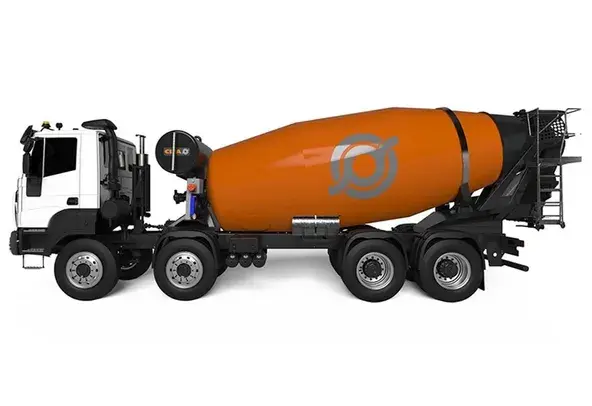
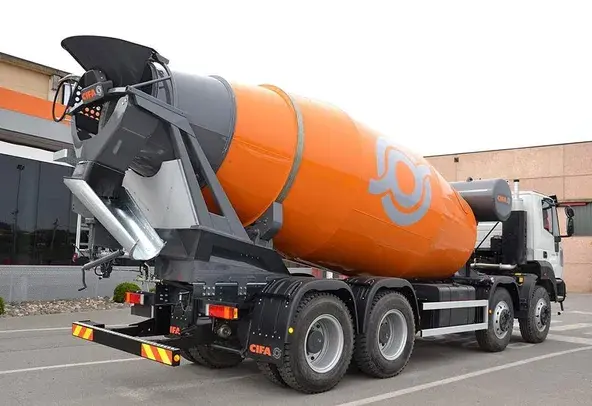
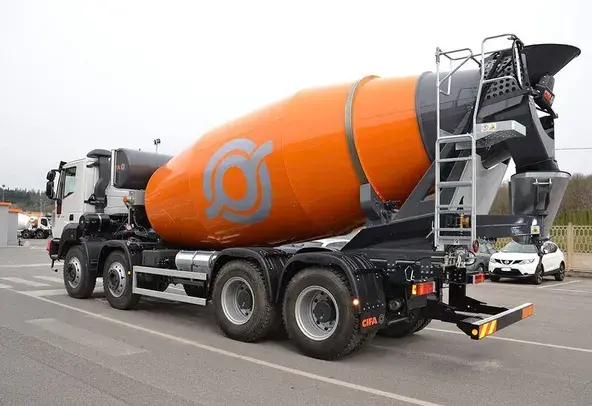
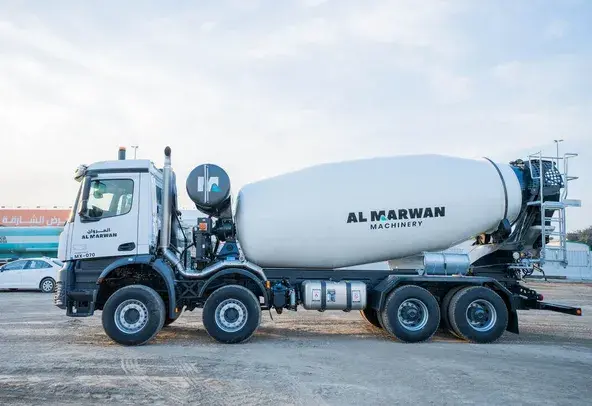
Concrete Mixer Trucks (7m³ to 12m³ Drum): The Industry Standard
In fast-paced construction, having a steady supply of fresh, uniform concrete is essential. Batching plants create the ideal mix, but delivering that concrete without it separating or setting early is a race against time.
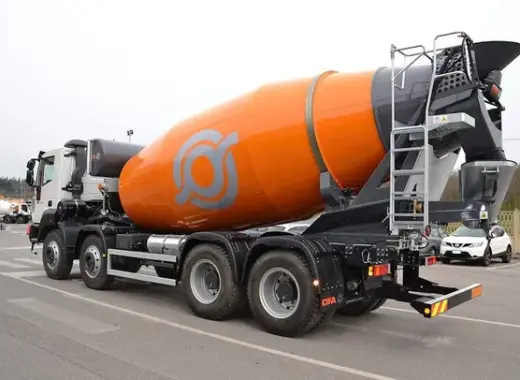
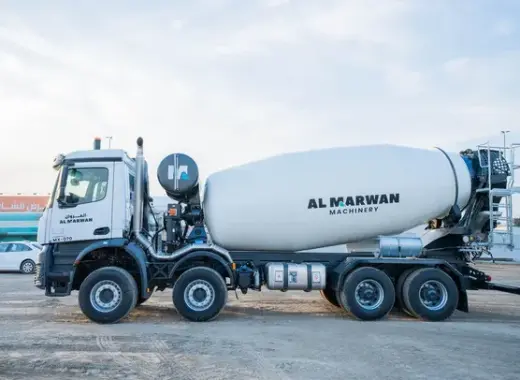
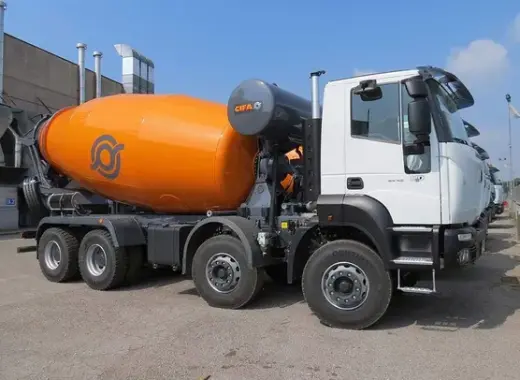
Medium to heavy concrete mixer trucks (7m³ to 12m³ drum capacity) set the global standard for ready-mix transport. These trucks carry between 9 and 16 tons of wet concrete safely through busy city streets and onto tough job sites.
How Concrete Mixer Trucks Work
The core engineering of a 7m³ to 12m³ mixer truck focuses on balancing heavy weight and controlling drum rotation.
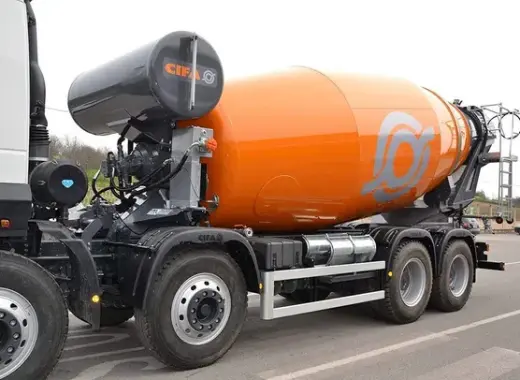
- Durable Drum Construction: The rotating drum is built from high-strength, wear-resistant steel. The inner base is extra thick to handle years of continuous friction from sharp sand and coarse gravel.
- Dual-Spiral Blades: Inside the drum, a continuous spiral blade plays two roles. Turning one way, the blades push wet concrete deep into the drum to keep it mixed during transit. Reversing the rotation turns the blades into a screw that lifts liquid concrete up and out down the discharge chute.
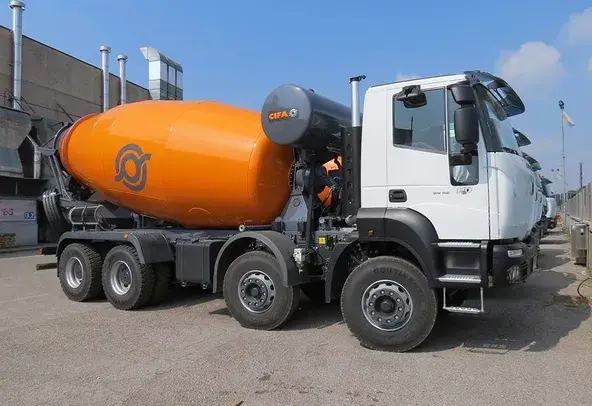
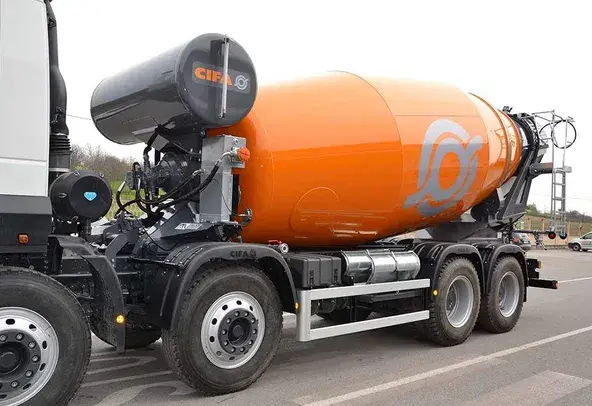
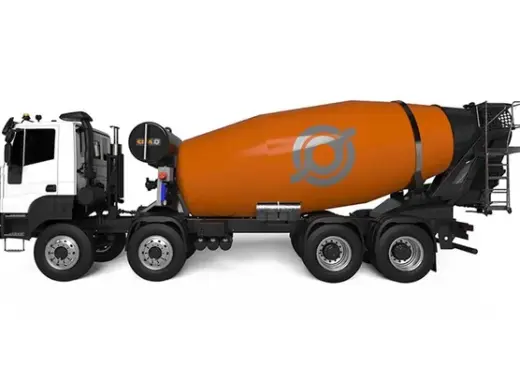
- Low Center of Gravity: Drums are mounted low on rugged three-axle or four-axle truck frames. Spreading heavy weight evenly across multiple axles prevents tip-overs during sharp turns and maintains steady traction on soft dirt.
Primary Uses & Job Site Applications
Because of their versatile capacity range, 7m³ to 12m³ mixer trucks handle a wide variety of commercial and infrastructure projects:
- Urban Ready-Mix Supply: Building city high-rises, office parks, and parking garages requires a constant flow of concrete. Compact 7m³ to 10m³ models easily navigate crowded city streets, roundabouts, and tight staging zones.
- Highway & Airport Paving: Expanding state highways, extending airport runways, and paving large warehouse parking lots requires thousands of cubic yards of concrete. Larger 12m³ trucks act as high-capacity supply links between batch plants and automatic paving machines.
- Large Industrial Foundations: Pouring thick slabs for factories, wind turbine bases, and warehouses requires continuous pours to prevent weak seams (cold joints). Teams of 10m³ to 12m³ trucks work in tight cycles, unloading directly into large concrete boom pumps.
- Remote Civil Projects: When transit times from the batch plant are long, onboard water tanks and precision chemical injectors allow drivers to adjust slump mid-transit to keep concrete workable.
Key Operational & Financial Benefits
- Fewer Delivery Trips: Carrying up to 12m³ per load reduces the total number of truck trips needed per project. Fewer trips lower overall fuel use, driver labor costs, and fleet carbon emissions.
- Consistent Mixing Quality: Dual-spiral blades keep heavy aggregates from settling at the bottom. This ensures every cubic meter poured maintains uniform density, slump, and strength.
- Smart Slump Control: Modern trucks use hydraulic sensors to monitor drum resistance. If the mix starts hardening during transit, automated systems notify the driver and add precise amounts of water.
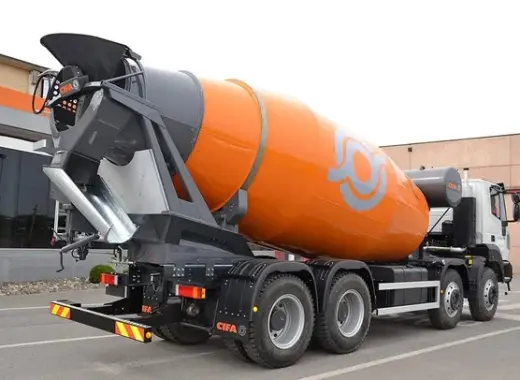
- Fast Discharge Times: Wide collection hoppers and folding discharge chutes allow a truck to unload a full 12m³ load in just a few minutes, increasing the number of delivery cycles per shift.
Overview
Concrete mixer trucks in the 7m³ to 12m³ class are vital to the ready-mix construction industry. By pairing wear-resistant rotating drums with smart slump monitoring and heavy-duty multi-axle frames, they deliver high volumes of uniform concrete efficiently and affordably.
Frequently Asked Questions
1. How much concrete does a 7m³ to 12m³ mixer truck hold in yards and weight?
In US measurements, a 7m³ drum holds roughly 9 cubic yards (about 36,000 lbs of concrete), while a large 12m³ drum holds about 15.7 cubic yards (nearly 63,000 lbs of concrete).
2. How long can concrete stay inside a rotating mixer truck before it spoils?
As a general standard (ASTM C94), wet concrete should be completely discharged from the truck within 90 minutes or before the drum reaches 300 total revolutions. Chemical retarders can extend this window for long-distance hauls.
3. What is the difference between a 3-axle and a 4-axle concrete mixer truck?
A 3-axle truck usually carries smaller loads (7m³ to 9m³) to stay within legal highway weight limits. Larger 10m³ to 12m³ drums require a 4-axle frame (often with a drop or pusher axle) to spread heavy weight and avoid damaging road surfaces.
4. Why does a concrete mixer drum keep spinning while driving?
Slow drum rotation (typically 2 to 6 RPM during transit) prevents heavy rocks and sand from settling to the bottom. Agitation keeps the cement paste, water, and aggregates blended evenly until the truck reaches the site.
5. How are concrete mixer truck drums cleaned after a delivery?
Drivers fill an onboard water tank at the batch plant. Right after unloading on site, high-pressure water nozzles flush remaining concrete out of the chute and hopper. At the end of a shift, water and gravel are spun inside the drum to scour inner walls clean.